
How to Start Cabbage From Seed
Cabbage is a hardy cool-season vegetable that starts well indoors and transplants easily. Starting seedlings gives you a head start on spring harvests and helps establish fall crops during warm weather.
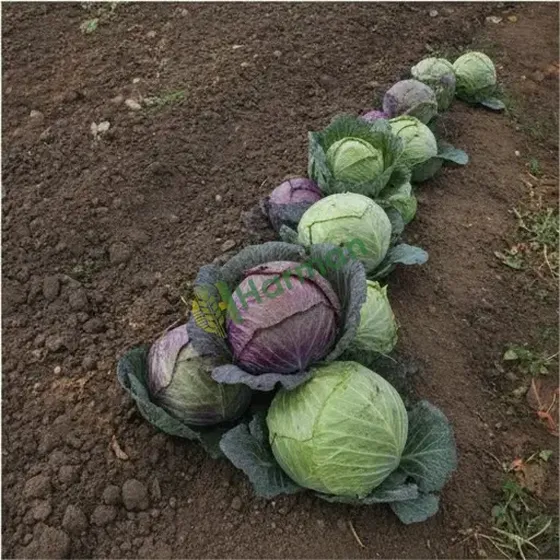
Start indoors or direct sow?
Start cabbage indoors and transplant sturdy young plants into the garden. Direct sowing is possible for fall crops, but indoor transplants make spacing and timing easier to manage.
When to start Cabbage seeds
For spring cabbage, sow indoors 6 to 8 weeks before the average last spring frost and transplant 2 to 4 weeks before that date when plants are hardened off. For fall cabbage, start seeds indoors about 5 to 7 weeks before the intended transplanting date, often in midsummer.
How to sow the seeds
Sow seeds 1/4 inch deep in sterile seed-starting mix in cell trays or small pots with drainage. Use one or two seeds per cell, keep the mix moist, and move seedlings under bright light as soon as they sprout.
Germination
Cabbage commonly germinates in 4 to 10 days. Temperatures around 65 to 75°F and consistently moist, never waterlogged, mix support even germination.
Seedling care
Provide bright light for 14 to 16 hours a day indoors and keep seedlings from becoming stretched by avoiding excessive warmth. Water at soil level, provide gentle airflow, and thin to one plant per cell to reduce damping off risk.
Transplanting & hardening off
Harden seedlings off for 7 to 10 days before planting them in full sun during cool weather. Transplant when they have several true leaves, set them at the same depth as in the container, and water deeply after planting.
Tips
Do not keep cabbage seedlings in small cells too long, since rootbound plants establish slowly. Use row cover after transplanting where cabbage worms or flea beetles are a recurring problem.
General seed-starting guidance for US home gardens; timing depends on your local frost dates and variety. Page updated Sep 18, 2026.