
Blueberries Nutrition & Uses
Blueberries are small, sweet-tart berries that are widely eaten fresh and baked into classic US desserts. They are common in muffins, pancakes, pies, smoothies, sauces, and fruit salads.
Nutritional profile
According to USDA FoodData Central, raw blueberries are low in calories and high in water, with carbohydrates from natural sugars and some fiber. They provide vitamin C and vitamin K, along with manganese and smaller amounts of other vitamins and minerals.
In the kitchen
Blueberries are eaten fresh, baked into muffins and cobblers, simmered into compotes, or blended into smoothies and sauces. They are also good in salads, jams, and spooned over yogurt or oatmeal.
Choosing & preparing
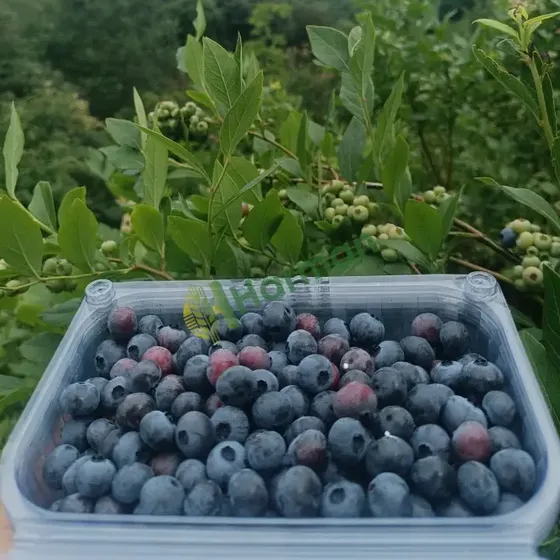
Choose berries that look plump, dry, and evenly colored with a natural dusty bloom. Avoid containers with crushed fruit, leaking juice, or shriveled berries.
Flavor pairings
Blueberries pair well with lemon, vanilla, cinnamon, yogurt, cream, almonds, oats, and maple. They also match peaches, strawberries, mint, and mild fresh cheeses.
Tips
Rinse blueberries just before using, not before storage, to help them last longer. If baking, toss them lightly with flour to reduce sinking in batter.
General food-composition information based on USDA FoodData Central. This is not medical or dietary advice; for personal guidance, consult a registered dietitian or your doctor. Page updated Sep 18, 2026.