
The Cost of Growing Blueberries
Blueberries are one of the stronger direct-market berry crops when growers have the right site and customer base. Demand is usually strong at farmers markets, CSA add-ons, and local retail because the fruit is familiar, seasonal, and premium perceived.
Startup costs
Startup costs are high compared with annual vegetables. Plants are expensive, site preparation for low pH is critical, irrigation is essential, mulching is significant, and bird protection may become necessary. Harvest containers, cold storage, and protected handling are important. In some regions, tunnels or frost protection may be considered.
Ongoing costs
Ongoing costs include pruning, mulching renewal, irrigation management, bird and pest control, hand harvest, sorting, and fast cooling. Harvest labor is substantial because berries are picked multiple times. Packaging and careful cold-chain handling also add recurring cost.
Yield & how it sells
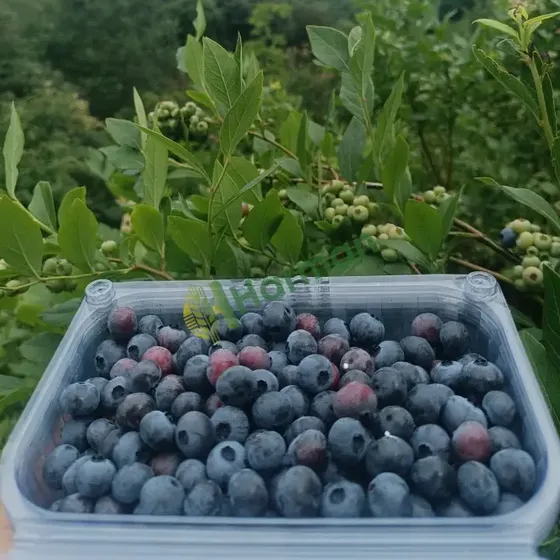
Blueberries are usually sold by pint, half-pint, or weight, and sometimes through U-pick or local retail clamshells. Mature plantings can be productive per area, but they take time to reach full output. Value is strong per unit when quality, size, and shelf life are good.
What makes it profitable
Blueberries can be a higher-margin direct-market crop on suitable sites, but they require patience, capital, and disciplined management. They sell well at farmers markets, local retail, and CSA shares, and can also fit restaurant and bakery channels. Profitability depends on yield consistency, labor efficiency, and minimizing bird and weather losses.
Financial risks
Major risks include poor site fit, high establishment cost, delayed payoff, bird pressure, weather damage, and labor-intensive harvest. Soft fruit and poor cooling reduce shelf life quickly. Market risk is lower than for obscure crops, but price pressure can rise when larger regional growers are also in season.
Tips to improve returns
Do not force blueberries onto soils or sites that are not well suited, because correction costs and weak plant performance can undermine the whole enterprise. Focus on fast postharvest cooling and clean packaging because berry buyers notice quality immediately. Use your local Cooperative Extension and Small Business Development Center to plan establishment costs, time to maturity, and labor needs realistically.
General planning information, not financial or investment advice, and not a guarantee of profit. For real budgets, work with your Cooperative Extension office and local Small Business Development Center. Page updated Sep 18, 2026.