
Growing guide · Fruit
How to Grow Blueberries
Days to maturity730 days
Spacing60 in
SeasonCool-season
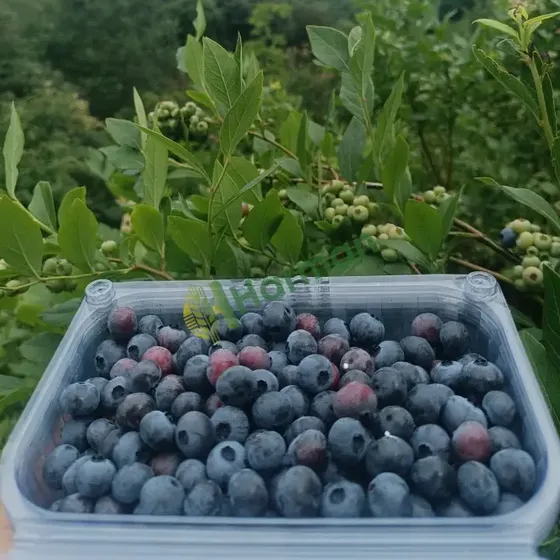
Blueberries are a long-lived, deciduous perennial shrub prized by home gardeners for sweet summer fruit, easy fresh eating, and attractive foliage that turns red in fall. A single healthy planting can produce for decades, and the berries freeze well, so many US gardeners grow enough to enjoy year round. Because they thrive across much of the country when matched to the right type, they are one of the most rewarding backyard fruits to grow.
When and how to plant
The single most important factor is soil acidity: blueberries need a low soil pH, roughly 4.5 to 5.5, so test your soil before planting and mix in plenty of acidic organic matter such as peat moss or aged pine bark to lower and hold the pH. Choose a type suited to your region (northern highbush for cooler areas, rabbiteye or southern highbush for the warm South, lowbush for the far North) and plant two or more different varieties nearby for good cross-pollination and bigger yields. Set bare-root or container plants in early spring, or in fall in mild-winter climates, in a spot with full sun and well-drained but moisture-retentive soil. Space highbush plants about 4 to 6 feet apart and vigorous rabbiteye types 6 feet or more, keeping the crown at the same depth it grew in the nursery.
Care
Blueberries have shallow, fibrous roots, so keep the soil evenly moist, providing about 1 to 2 inches of water per week and more during fruiting and hot spells; where possible use rainwater or low-mineral water, since hard water can raise soil pH over time. Maintain a 2 to 4 inch mulch of pine bark, wood chips, or pine needles to conserve moisture, suppress weeds, and keep the root zone cool and acidic, refreshing it each year. Feed lightly in spring with an acid-forming, organic-matter approach and monitor soil pH regularly, since high pH commonly causes yellowing leaves with green veins. Prune while the plants are dormant in late winter, removing dead, weak, or crossing wood and, on mature bushes, thinning out the oldest canes to encourage productive new growth.
Common problems
Birds are often the biggest challenge, so drape netting over ripening bushes as the berries begin to color. Common issues include mummy berry and gray mold in wet weather, root rot in soggy or poorly drained soil, and iron chlorosis (yellow leaves) when the pH drifts too high; prevent these by planting in well-drained acidic soil, spacing plants for good air movement, keeping the pH in range, and cleaning up fallen and shriveled fruit. Watch for the spotted wing fruit fly in some regions and harvest promptly and frequently to reduce damage.
Harvest
Berries ripen from early to late summer depending on type and variety, and are ready a few days after they turn fully blue, when they detach easily with a gentle roll of the thumb. Pick every few days over several weeks, since fruit does not sweeten much more once removed from the bush. Store fresh berries unwashed in the refrigerator for up to about a week, and freeze extras in a single layer for long-term keeping.
Popular Blueberries varieties to grow
Blueberry varieties should be chosen first by bush type, highbush, half-high, rabbiteye, or southern highbush, and then by chill requirement and ripening season. Most home gardeners also want at least two compatible varieties to improve pollination and spread the harvest.
| Variety | Type | Days | Notes | Best for |
|---|---|---|---|---|
| Bluecrop | northern highbush | - | Bluecrop is one of the most widely planted blueberries in the US, known for reliable yields and good all-purpose fruit. It is adaptable and a strong standard for home gardens. | dependable production, freezing |
| Jersey | northern highbush | - | An old late-season variety with vigorous growth and classic blueberry flavor. It remains popular for hardiness and consistent harvests. | late harvests, cold regions |
| Patriot | northern highbush | - | Patriot is valued for cold hardiness, early ripening, and large flavorful berries. It is a common choice for northern gardens and heavier soils. | cold climates, early crops |
| Duke | northern highbush | - | Duke ripens early and produces firm light-blue berries on upright plants. It is one of the most dependable early varieties for home and commercial use. | early season, reliable yields |
| Sunshine Blue | southern highbush, compact | - | A compact, ornamental blueberry with pink flowers and good adaptability in containers. It has lower chill needs than many northern types and fruits well in milder areas. | containers, mild-winter regions |
| Pink Lemonade | rabbiteye hybrid | - | Best known for its unusual pink berries, Pink Lemonade also offers good vigor and ornamental value. Flavor is mild and sweet when fully ripe. | novelty plantings, edible landscaping |
Variety notes are general guidance for US home gardens; local performance varies by climate and season. Availability differs by seed supplier.
Growing Blueberries in containers
Blueberries are excellent container plants because their acidic soil needs are easy to control. Use a pot at least 18 to 24 inches wide and deep, with drainage holes and an acidic, peat or pine-bark-based mix formulated for blueberries or azaleas. Water consistently with low-alkalinity water if possible, fertilize with an acid-loving plant fertilizer, and choose compact types such as dwarf northern highbush or southern highbush suited to your climate.
Watering & feeding Blueberries
Blueberries typically need about 1 to 2 inches of water per week, with the higher end often needed during fruit development and hot weather. They are thirsty plants with shallow roots, but they do not tolerate waterlogged soil. Water slowly at the base to moisten the upper root zone without saturating it, and use pine bark, pine needles, or other suitable mulch to conserve moisture. Containers dry faster and may need frequent checks; wilting, small berries, and dry soil indicate underwatering, while yellowing and poor vigor in wet soil can indicate excess moisture.
Blueberries are light to moderate feeders and need fertilizer appropriate for acid-loving plants, along with acidic organic matter in the planting area. Soil testing and proper pH adjustment are more important than applying large amounts of fertilizer. Feed lightly in early spring as growth begins, and make a second light application in late spring if needed for young or productive plants. Do not fertilize late in summer or use excessive nitrogen, which can burn shallow roots and promote weak late growth. Use drip irrigation or a soaker hose to keep foliage dry and deliver steady moisture. Check soil pH regularly, because nutrient uptake declines when the soil is not acidic enough.
Saving Blueberries seeds
Blueberries do not reliably come true from seed, and named varieties are usually propagated from cuttings. Mash fully ripe berries in water, separate the small seeds from pulp, rinse, and dry them completely on a nonstick surface. Store cool, dark, and dry for roughly 2 to 5 years, though germination may require cold stratification.
Blueberries companion plants
Good companions for blueberries include low-growing thyme, oregano, and strawberries, provided they share the same acidic, well-drained soil and do not crowd the shrubs. Flowering herbs nearby can attract pollinators, while a separate planting of acid-loving azaleas or heathers can make use of similar conditions. Avoid vegetables and herbs that prefer neutral to alkaline soil, such as cabbage-family crops and most beans, because liming or fertilizing for them conflicts with blueberry needs.
When to plant Blueberries near you
Get the exact start-indoors, transplant, and fall planting dates for Blueberries at your location.
Frequently asked questions about Blueberries
When should I plant Blueberries?
In most US regions, plant Blueberries in early spring once the ground can be worked, or in fall in mild-winter areas like the South. Start with young potted or bare-root bushes rather than seeds, and choose a type suited to your zone, such as northern highbush for cold areas and rabbiteye or southern highbush for the warm South.
How long does it take for Blueberries to grow and produce fruit?
A new bush usually gives a small crop in its second or third year and reaches full production around year six. During the season, berries typically ripen over a few weeks in early to midsummer, and picking often continues for several weeks as fruit matures in stages.
How much sun do Blueberries need?
Blueberries do best in full sun, which means at least 6 to 8 hours of direct light a day. They will tolerate a little afternoon shade in hot climates, but too much shade reduces yield and can make the berries less sweet.
How far apart should I space Blueberry bushes?
Space highbush Blueberries about 4 to 5 feet apart, and larger rabbiteye types roughly 5 to 6 feet apart, with rows a few feet wider for access. Planting two or more different varieties that bloom at the same time improves pollination and gives you bigger, more reliable harvests.
Can I grow Blueberries in containers?
Yes, Blueberries grow very well in containers, and pots make it easier to give them the acidic soil they need. Use a large container of at least 5 to 10 gallons filled with an acidic mix made for azaleas or rhododendrons, keep it evenly moist, and be ready to protect it in very cold winters.
Why are my Blueberry leaves turning yellow, and what other problems are common?
Yellowing leaves with green veins usually signal that the soil is not acidic enough, since Blueberries require a soil pH around 4.5 to 5.5 to take up nutrients. Other common issues include birds eating ripe fruit, which netting solves, and root problems from soggy soil, so plant in well-drained ground and mulch to keep moisture steady.
How do I know when Blueberries are ready to harvest?
Ripe Blueberries are fully deep blue with no red or green shoulders, feel plump, and drop into your hand with a gentle roll of the fingers. Berries do not sweeten much after picking, so waiting a few days after they first turn blue gives you the best flavor.
General guidance for US home gardens. Reference figures are typical values; your exact timing depends on your local frost dates and variety. Page updated Sep 18, 2026.