
Beets Nutrition & Uses
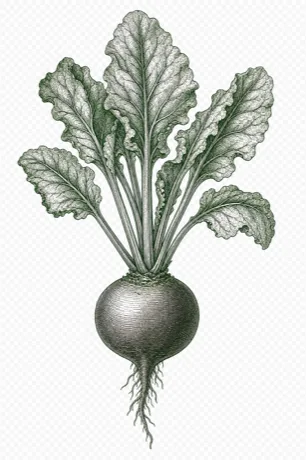
Beets are known for their deep color, earthy flavor, and ability to work in both rustic and refined dishes. They are used roasted, boiled, pickled, and shredded raw, and the greens can be cooked too.
Nutritional profile
Beets are low to moderate in calories and contain a good amount of water. USDA FoodData Central data show that they provide folate and manganese and also contribute potassium and fiber. Their natural sugar content is noticeable in flavor, but they are still a relatively light vegetable overall.
In the kitchen
Beets are commonly roasted for salads and sides, boiled for slicing, or pickled for sandwiches and relish trays. They are also pureed into soups, grated into slaws, and blended into dips. Beet greens can be sauteed much like chard or spinach.
Choosing & preparing
Choose beets that feel firm and heavy, with smooth skin and no large soft spots. If the greens are attached, they should look fresh and not wilted. Trim greens before storage, leaving a short stem to reduce bleeding during cooking.
Flavor pairings
Beets pair well with goat cheese, dill, vinegar, citrus, walnuts, horseradish, yogurt, and apples. Their earthy flavor also works with lentils and grains.
Tips
Roasting keeps beets less watery than boiling and concentrates flavor. Cooked skins slip off more easily after roasting or steaming. Use the greens while they are fresh, since they spoil faster than the roots.
General food-composition information based on USDA FoodData Central. This is not medical or dietary advice; for personal guidance, consult a registered dietitian or your doctor. Page updated Sep 18, 2026.