
Beets Pests & Diseases
Beets are fairly forgiving to grow, but leaf-feeding insects and a few foliar diseases can spoil both the greens and the root quality. The biggest challenges for home gardeners are leafminers tunneling through the foliage and Cercospora leaf spot, along with occasional aphid-spread and leafhopper-spread viruses.
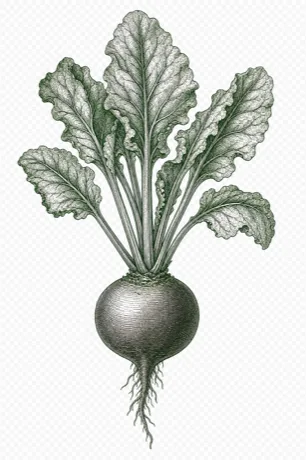
Common Beets pests
Beets belong to the goosefoot family, along with spinach and Swiss chard, so they share many of the same pests. The spinach or beet leafminer (Pegomya species) is the signature pest; its maggots tunnel between the upper and lower leaf surfaces and leave winding tan or brown blotches, and you may see small white eggs lined up on the undersides of leaves. Flea beetles chew tiny round shotholes in young leaves, cutworms sever seedlings at the soil line, and aphids such as green peach aphid and bean aphid cluster on new growth, sucking sap and spreading viruses. Beet armyworms and beet webworms chew larger holes in the foliage, while deer, rabbits, and groundhogs will graze the tender tops.
Common diseases
Cercospora leaf spot is the most common disease, showing as small round spots with pale tan or gray centers ringed by a reddish-purple border; heavy infection turns older leaves brown and causes them to die back. Downy mildew produces pale yellow patches on the upper leaf surface with a grayish-purple fuzzy growth underneath, while powdery mildew coats leaves in a white dusty film in warm, dry weather. Damping-off and Rhizoctonia can rot seeds and seedlings or cause dark crown and root rot in wet soil. Curly top virus, carried by the beet leafhopper, stunts plants and makes leaves curl, thicken, and turn crinkled, and aphid-borne mosaic and yellows viruses cause mottling and yellowing of the foliage.
Prevention
Rotate beets and their relatives, spinach and chard, so they do not return to the same bed for about three years, which starves soilborne diseases and leafminer pupae in the soil. Thin seedlings to the recommended spacing and keep beds weeded, especially of lambsquarters and other goosefoot weeds that host the same pests and diseases. Water at the base in the morning so the foliage dries quickly, choose disease-tolerant varieties when they are available, and clean up old leaves and crop debris at the end of the season. Keeping the soil evenly moist and adequately supplied with boron also helps prevent internal black spots inside the roots.
Organic control
Handpick and crush leafminer mines and egg clusters as soon as you spot them, and cover young plants with floating row covers right after planting to block leafminers, flea beetles, and leafhoppers before they can lay eggs. Knock aphids off with a strong spray of water, or treat persistent colonies with insecticidal soap or neem oil, always reading and following the product label. Encourage beneficial insects such as lady beetles, lacewings, and parasitic wasps by planting flowers nearby, and use seedling collars or scout at dusk to catch cutworms. For Cercospora leaf spot and downy mildew, remove affected leaves early and, if disease pressure stays high, apply a copper or sulfur fungicide labeled for beets according to the label directions.
Scouting & monitoring
Check the undersides of leaves weekly from the seedling stage onward for rows of white leafminer eggs and the first winding mines, since early removal prevents an outbreak. Scout new growth for aphids and watch for stunted, curled plants that signal curly top virus, and inspect older leaves for the spotted pattern of Cercospora, which usually shows up in warm, humid mid to late summer weather. Walk the bed after rainy or humid spells, when foliar diseases spread the fastest.
Tips
Floating row covers over young beets stop the majority of insect problems before they start, so put them on early and remove them only if pollination or heat management requires it. Thin and harvest regularly and pick outer leaves for greens rather than stripping whole plants, so the bed stays open and airy and the foliage dries off quickly after watering.
General home-garden IPM guidance, focused on prevention and least-toxic control. Always read and follow the product label for any pesticide, including organic products. Page updated Sep 19, 2026.