
Growing guide · Vegetable
How to Grow Beets
Days to maturity55 days
Spacing4 in
SeasonCool-season
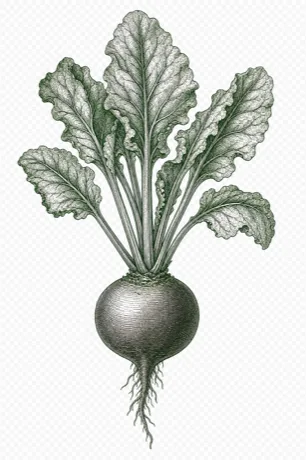
Beets are a two-for-one crop, giving both sweet roots and edible leafy tops. They are quick, colorful, and easy to grow in cool weather.
When and how to plant
A hardy cool-season crop, beets are sown directly before the last frost, as the dates above allow, and again in late summer for fall. Each knobby seed produces a small cluster of seedlings.
Care
Give beets steady water and thin the seedlings so the roots have room to swell. They tolerate a range of soils but prefer loose, fertile ground.
Common problems
Leaf miners on the greens are the main nuisance. A row cover keeps them off and protects the young plants.
Harvest
Pull beets young and tender, or leave them to size up, and use the greens along the way. Harvest before the roots turn woody.
Popular Beets varieties to grow
Pick beets by root color, days to maturity, and whether you also want good greens. Cylindrical and round types both perform well, but early maturing varieties are especially useful for succession planting.
| Variety | Type | Days | Notes | Best for |
|---|---|---|---|---|
| Detroit Dark Red | red beet, heirloom | 55 to 60 | The standard red garden beet, known for uniform round roots and good flavor. Greens are also useful when young. | all-purpose use, canning |
| Chioggia | striped heirloom | 55 | An Italian heirloom with pink-and-white rings inside the root. Its color makes it especially appealing sliced fresh or roasted. | fresh eating, visual appeal |
| Golden | gold beet | 50 to 55 | Produces orange-skinned roots with yellow flesh and a milder earthiness than many red beets. It is popular in mixed-color plantings. | roasting, mixed beet harvests |
| Cylindra | cylindrical beet | 55 to 60 | A long cylindrical beet that gives uniform slices and high yield per row foot. Its shape makes kitchen prep easy. | slicing, pickling |
| Early Wonder | early red beet | 50 to 55 | An early variety that also produces abundant tasty greens. Roots are medium sized and suited to quick spring crops. | greens and roots, early harvests |
| Red Ace | hybrid red beet | 50 to 55 | A dependable hybrid with uniform roots and strong garden performance. It is often chosen for consistent sizing and quality. | reliable production, bunching |
| Lutz Green Leaf | storage beet | 70 to 80 | A larger beet that can stay in the ground longer and size up without turning coarse quickly. It is especially useful for fall harvest and storage. | large roots, fall storage |
Variety notes are general guidance for US home gardens; local performance varies by climate and season. Availability differs by seed supplier.
Growing Beets in containers
Beets grow well in containers and provide both roots and edible greens. Use a container at least 8 to 10 inches deep with drainage holes and loose, fertile potting mix. Water consistently so roots develop evenly, feed lightly, and thin seedlings to give each beet about 3 inches of space.
Watering & feeding Beets
Give beets roughly 1 inch of water weekly, with up to 1.5 inches during heat or in fast-draining soil. They have average water needs and are less productive when repeatedly drought-stressed. Water deeply at the base so moisture reaches the developing roots, and mulch to keep soil cool and evenly moist. Underwatering can cause tough roots and wilting, while overwatering can lead to yellow leaves, poor growth, and root problems in poorly drained soil.
Beets are moderate feeders that prefer soil enriched with finished compost and balanced fertility. Phosphorus and potassium support root development, while boron may be needed only where a soil test shows a deficiency. Add compost and any soil-test-recommended nutrients before planting. If growth is weak, side-dress lightly when plants are several inches tall, avoiding repeated nitrogen applications once roots begin to swell. Keep moisture steady as roots enlarge to reduce toughness and cracking. Harvest a few outer greens at a time rather than stripping plants bare.
Saving Beets seeds
Save seeds from open-pollinated or heirloom beets, since F1 hybrids do not come true, and isolate varieties because beets readily cross with Swiss chard and some related crops. Beets are biennial, so overwinter selected roots where possible or store and replant them, then let second-year stalks form dry, brown seed clusters. Cut and thresh the dry stalks, finish drying the seed clusters indoors, and store them cool and dry for about 4 to 6 years.
Beets companion plants
Good companions for beets include lettuce, radishes, onions, and low-growing herbs such as thyme. Lettuce and radishes can be harvested before beets need their full space, and onions use a different plant form and rooting pattern. Avoid crowding beets with pole beans or mature fennel, because their dense canopy and vigorous roots can shade and compete with beets.
When to plant Beets near you
Get the exact start-indoors, transplant, and fall planting dates for Beets at your location.
Frequently asked questions about Beets
When should I plant beets?
Plant beets in early spring and again in late summer for fall harvest. They prefer cool weather and can handle light frost.
How long do beets take to grow?
Most beets are ready in about 50 to 70 days from planting. Baby beets can be harvested earlier.
How much sun do beets need?
Beets grow best in full sun but tolerate partial shade. About 6 hours of sun is usually enough for good root development.
How far apart should beets be spaced?
Thin beets to about 3 to 4 inches apart once seedlings emerge. Each beet seed often produces more than one seedling, so thinning matters.
Can beets grow in containers?
Yes, beets grow well in containers with loose soil and enough depth for root development. Keep the soil evenly moist so roots stay tender.
Why are my beets making lots of leaves but small roots?
Too much nitrogen, crowding, or heavy shade can lead to strong tops and poor root sizing. Thin properly and avoid overfeeding with high-nitrogen fertilizer.
General guidance for US home gardens. Reference figures are typical values; your exact timing depends on your local frost dates and variety. Page updated Sep 19, 2026.