
Beets Crop Rotation
Beets benefit from rotation because several leaf and root diseases can persist when they are grown repeatedly in the same bed. Moving them also helps balance nutrient use and soil structure for smoother roots.
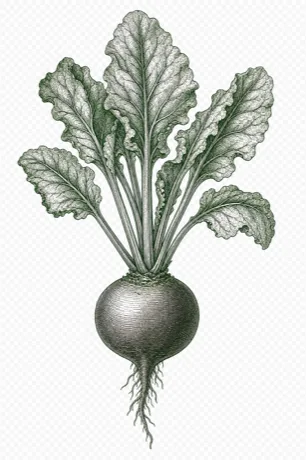
Plant family
Beets are in the amaranth family. Common garden relatives include Swiss chard and spinach beet, and some gardeners also group spinach nearby in planning because of overlapping disease concerns, even though true spinach is in a different family.
Why rotate beets
Beets can be affected by leaf spot, damping off, and root problems that become more noticeable with repeated planting. They are not especially heavy feeders, but they do best in evenly fertile soil without fresh, undecomposed organic matter. If beets return too often, disease pressure and root quality problems can increase. Rotation helps keep both foliage and roots healthier.
What to plant after
Beets grow well after peas, beans, lettuce, onions, or brassicas that leave the bed reasonably clean. They are also a good follow-up to crops that improved soil tilth without leaving fresh manure or large coarse residues.
What to avoid
Avoid planting beets right after Swiss chard or other very closely related crops. It is also best not to follow a crop that just received heavy fresh organic amendments, since that can reduce root quality.
Example rotation
One easy rotation is cabbage in year one, beets in year two, and beans in year three. Another option is onions, then beets, followed by cucumbers or peas.
Tips
Thin plants early and keep the bed weed free so roots size evenly. If leaf spot has been common, avoid leaving old beet tops in place and lengthen the interval before beets return.
General guidance for US home gardens. Adapt to your own crops, soil, and space; your Cooperative Extension office can help with a plan for your area. Page updated Sep 18, 2026.