
Growing guide · Vegetable
How to Grow Zucchini
Days to maturity50 days
Spacing24 in
SeasonWarm-season
Start indoors3 wk pre-frost
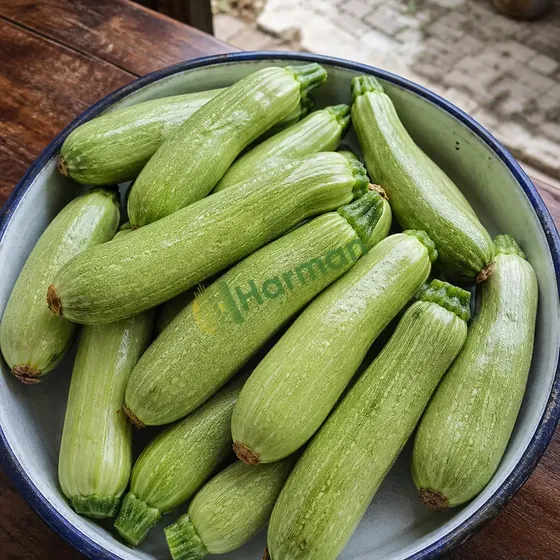
Zucchini is famous for its abundance; a single healthy plant can feed the whole neighborhood. It is one of the easiest and most rewarding crops for a beginner.
When and how to plant
A tender warm-season squash, zucchini goes in only after frost has passed, following the dates above. It grows quickly from seed sown right in the garden.
Care
Full sun, rich soil, and regular water produce the best plants. Give each one room, since the leaves get large and need airflow.
Common problems
Squash bugs, vine borers, and powdery mildew are the main threats. Inspecting stems and undersides of leaves early catches trouble before it spreads.
Harvest
Pick zucchini while young and glossy, when they are still tender. Check plants often, because fruit can go from perfect to baseball-bat in a day or two.
Popular Zucchini varieties to grow
Choose zucchini by plant size, color, and disease resistance, especially to powdery mildew in humid summer regions. Most gardeners need only a few plants, so reliability and manageable habit are often more important than novelty.
| Variety | Type | Days | Notes | Best for |
|---|---|---|---|---|
| Black Beauty | classic green zucchini | 50 to 55 | A long-standing favorite with dark green cylindrical fruit and dependable productivity. Plants are vigorous and widely adapted. | all-purpose summer harvests |
| Fordhook Zucchini | green zucchini | 50 to 55 | An old reliable open-pollinated zucchini with good yields and classic flavor. It is a standard variety for home gardens. | fresh cooking, freezing |
| Cocozelle | Italian heirloom zucchini | 45 to 55 | Produces long striped fruit with slender shape and rich zucchini flavor. It is often picked a bit smaller for best texture. | specialty cooking, heirloom gardens |
| Raven | hybrid zucchini, dark green | 48 | A productive hybrid that sets smooth, glossy dark fruit on open plants. It is favored for uniform harvests and good garden performance. | steady production, fresh use |
| Golden Zucchini | yellow zucchini | 50 to 55 | A bright yellow zucchini that is easy to spot at harvest and attractive in mixed dishes. Flavor is mild and similar to green types. | fresh cooking, visual variety |
| Dunja | hybrid zucchini, disease resistant | 47 to 50 | A modern hybrid noted for strong vigor and good resistance to powdery mildew. Fruit quality stays high through a long picking window. | humid climates, long harvests |
| Costata Romanesco | Italian heirloom zucchini | 52 to 60 | A ribbed gray-green zucchini with excellent flavor and an open plant habit. It is prized by gardeners who value eating quality over perfectly smooth fruit. | gourmet cooking, blossoms and fruit |
| Eight Ball | round zucchini hybrid | 40 to 45 | A compact plant that produces round dark green fruit. The shape makes it especially useful for stuffing when harvested young. | containers, stuffed squash |
Variety notes are general guidance for US home gardens; local performance varies by climate and season. Availability differs by seed supplier.
Growing Zucchini in containers
Zucchini can grow in containers, but each plant needs substantial root room and regular care. Use one compact or bush plant per 10 to 15-gallon container at least 18 inches deep, with drainage holes and rich potting mix. Water deeply whenever the upper inch of mix dries, fertilize every 2 to 3 weeks, and select compact patio or bush varieties.
Watering & feeding Zucchini
Provide around 1 to 2 inches of water per week, increasing during hot, dry spells. Zucchini is thirsty, particularly once it starts producing fruit. Water deeply at the base in the morning so the root zone is moist, but do not water so often that soil remains saturated. Mulch helps conserve moisture and reduce soil splash, containers need frequent checks, and wilting in dry soil signals thirst while yellowing or soft growth in wet soil can point to overwatering.
Zucchini is a heavy feeder and benefits from generous compost or well-rotted organic matter worked into the planting area. Balanced nutrition supports early growth, while potassium becomes especially useful during flowering and fruiting. Feed at planting in poor or average soil, then side-dress lightly after plants establish and again during active harvest if growth slows. Do not push excessive nitrogen, which can create large leafy plants with fewer fruits. Keep moisture steady rather than alternating between drought and soaking. Water the soil, not the leaves, whenever possible.
Saving Zucchini seeds
Save seed only from open-pollinated or heirloom zucchini, because F1 hybrids do not come true and zucchini can cross with many other summer squashes. Let a selected fruit stay on the vine until it has a hard rind and is fully mature, often until after the plant declines, then remove the seeds from the cavity. Wash away pulp, dry seeds in a single layer for 1 to 2 weeks, and store them in a cool, dark, dry container. Zucchini seed generally lasts about 4 to 6 years.
Zucchini companion plants
Plant zucchini with bush beans, sweet corn, borage, and nasturtiums. Beans add nitrogen, corn occupies vertical space, and borage and nasturtiums provide flowers for pollinators and beneficial insects. Give zucchini ample spacing so its large leaves do not shade smaller companions. Avoid planting it tightly with other squash, cucumbers, or melons because these cucurbits share major pests and diseases and create severe crowding.
When to plant Zucchini near you
Get the exact start-indoors, transplant, and fall planting dates for Zucchini at your location.
Frequently asked questions about Zucchini
When should I plant zucchini?
Plant zucchini after the last frost, once the soil is warm and the weather has settled. In most of the US, that means late spring.
How long does zucchini take to grow?
Zucchini is fast, often producing in about 45 to 60 days from planting. Harvest starts quickly once flowering begins.
How much sun does zucchini need?
Zucchini needs full sun, at least 6 to 8 hours daily. More sun usually supports better flowering and production.
How far apart should zucchini plants be spaced?
Space zucchini about 2 to 3 feet apart, with 3 to 4 feet between rows. The plants get larger than many new gardeners expect.
Can zucchini be grown in containers?
Yes, if you use a large container, usually 10 gallons or more, and choose a compact variety when possible. Regular watering is important because big leaves use a lot of moisture.
When is zucchini best to harvest?
Pick zucchini when fruits are young and tender, usually around 6 to 8 inches long for standard varieties. Frequent harvesting keeps plants producing.
General guidance for US home gardens. Reference figures are typical values; your exact timing depends on your local frost dates and variety. Page updated Sep 19, 2026.