
Zucchini Crop Rotation
Zucchini is a heavy feeder that draws a lot of nitrogen from the soil, and it hosts pests and diseases that linger in the ground from season to season. Rotating it to a fresh bed each year helps break those cycles and keeps the soil balanced.
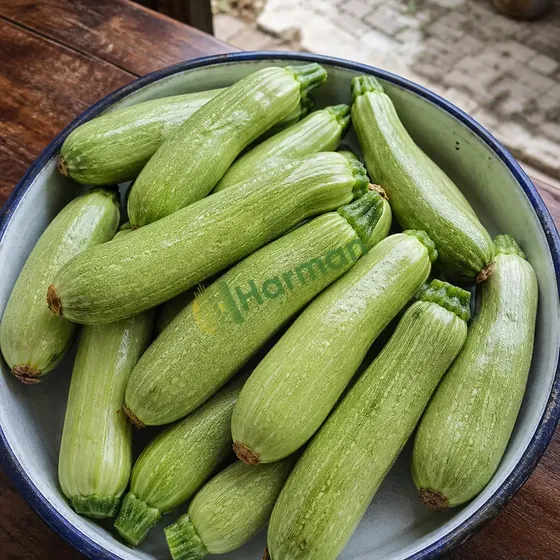
Plant family
Zucchini belongs to the cucurbit family (Cucurbitaceae), along with its close relatives cucumbers, summer and winter squash, pumpkins, gourds, melons, and watermelon. All of these share many of the same pests and soilborne diseases, so they should be treated as one group when you plan a rotation.
Why rotate zucchini
When cucurbits grow in the same spot year after year, soilborne problems such as Fusarium wilt, verticillium wilt, and bacterial wilt can build up and become harder to manage. Pests like squash bugs, squash vine borers, and cucumber beetles also overwinter in the soil and debris near old plantings, giving next year's crop an early infestation. On top of that, powdery and downy mildew spores accumulate in the area, and because zucchini is a heavy feeder, repeated planting steadily drains soil nitrogen and other nutrients.
What to plant after
Zucchini does well following legumes such as bush beans, peas, or a clover cover crop, because legumes fix nitrogen in the soil and leave it enriched for a hungry feeder like zucchini. Leafy greens and brassicas also make reasonable predecessors since they are not cucurbits and do not pass along the same pests or diseases. The goal is to give zucchini a bed that is both pest-free from its own family and well supplied with nutrients.
What to avoid
Avoid planting zucchini right before or after any other cucurbit, including cucumbers, melons, pumpkins, winter squash, and gourds, because they carry the same soilborne diseases and attract the same insect pests. Following one cucurbit with another simply hands the next crop an established population of squash bugs, cucumber beetles, and wilt pathogens. Keep at least a two to three year gap before returning any cucurbit to the same ground.
Example rotation
A simple four-year plan for one bed could run like this. Year 1, grow legumes such as bush beans or peas to build up nitrogen. Year 2, plant zucchini and other cucurbits to take advantage of that enriched soil. Year 3, follow with brassicas or leafy greens like cabbage, kale, or lettuce. Year 4, grow root crops such as carrots, beets, or onions, then start the cycle over, which keeps zucchini out of that bed for three full years.
Tips
Keep a simple garden map or notebook each season so you can remember which family grew in every bed and avoid repeating cucurbits too soon. Grouping crops by family into blocks makes rotation easier to track, and sowing a legume or other cover crop in the off-season helps rebuild the nitrogen that zucchini uses up.
General guidance for US home gardens. Adapt to your own crops, soil, and space; your Cooperative Extension office can help with a plan for your area. Page updated Sep 18, 2026.