
Zucchini Nutrition & Uses
Zucchini is a tender summer squash with a mild flavor and quick-cooking texture. In US kitchens it is commonly sauteed, grilled, roasted, baked into breads, or sliced raw for salads and platters.
Nutritional profile
According to USDA FoodData Central, raw zucchini is very high in water and low in calories, with small amounts of carbohydrate and fiber. It contains vitamin C, vitamin B6, folate, potassium, and some manganese, and the peel contributes some of its fiber.
In the kitchen
Zucchini can be eaten raw, grilled, roasted, sauteed, stuffed, or baked. It works well in kebabs, pasta primavera, fritters, casseroles, and zucchini bread, and it can also be spiralized into noodles.
Choosing & preparing
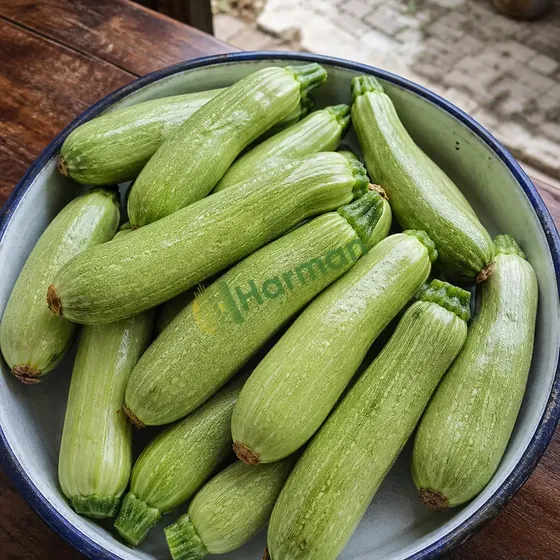
Choose zucchini that feels firm, heavy for its size, and has smooth, glossy skin. Smaller to medium fruits usually have better texture, and avoid any with soft spots, wrinkling, or bruises.
Flavor pairings
Zucchini pairs well with garlic, lemon, basil, mint, dill, parsley, tomatoes, corn, onion, Parmesan, goat cheese, and olive oil. It also works nicely with grilled chicken, shrimp, and pasta.
Tips
There is no need to peel most zucchini, since the skin is tender and useful in cooking. If a recipe gets watery, salt slices lightly and pat them dry before cooking or baking.
General food-composition information based on USDA FoodData Central. This is not medical or dietary advice; for personal guidance, consult a registered dietitian or your doctor. Page updated Sep 19, 2026.