
Growing guide · Vegetable
How to Grow Winter Squash
Days to maturity95 days
Spacing36 in
SeasonWarm-season
Start indoors3 wk pre-frost
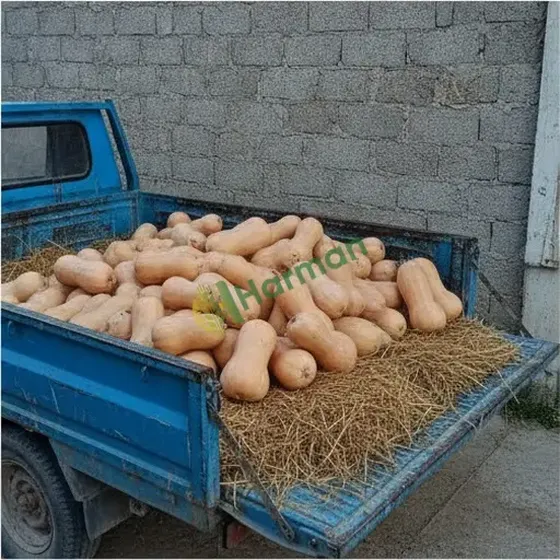
Winter squash such as butternut and acorn store for months and turn any fall meal into comfort food. The vines sprawl, but the payoff is a pantry full of keepers.
When and how to plant
Despite the name it is a warm-season crop planted after frost, per the dates above, and it needs a long season to mature. Give it an early start and plenty of room to run.
Care
Full sun, rich soil, and consistent water carry the crop through summer. Let the vines sprawl or train them onto sturdy supports.
Common problems
Squash bugs, borers, and mildew are common. Healthy, unstressed plants shrug off far more than crowded ones.
Harvest
Harvest winter squash when the rind is hard and cannot be dented with a thumbnail, before the first hard frost. Cure them in a warm spot for a week or two so they store well.
Popular Winter Squash varieties to grow
Choose winter squash by storage life, vine size, maturity date, and the kind of flesh you like for roasting or soups. Short-season gardens often favor smaller-fruited types, while long warm seasons allow larger storage squash to mature fully.
| Variety | Type | Days | Notes | Best for |
|---|---|---|---|---|
| Waltham Butternut | butternut | 85 to 95 | The standard butternut for home gardens, with tan skin and sweet orange flesh. It stores well and is productive on vigorous vines. | storage, roasting, soups |
| Honey Nut | mini butternut hybrid | 100 to 110 | A smaller butternut with very sweet flesh and compact fruit size. It is popular for home cooks who want rich flavor in manageable portions. | small households, roasting |
| Table Queen | acorn | 80 | A classic acorn squash with dark green ridged fruit and sweet yellow flesh. Plants are productive and mature earlier than some larger winter squash. | baking, shorter seasons |
| Delicata | delicata heirloom | 80 to 90 | Produces cream-colored cylindrical fruit with green striping and sweet fine-textured flesh. It has thinner skin than many winter squash and is easy to prepare. | roasting, small gardens |
| Burgess Buttercup | buttercup | 85 to 100 | A compact squash with dark green fruit and dense, sweet orange flesh. It is prized for flavor and dry texture. | baking, rich-flavored winter squash |
| Blue Hubbard | hubbard heirloom | 100 to 120 | A large storage squash with blue-gray skin and excellent keeping quality. Vines are vigorous and need space and a long season. | long storage, soup, puree |
| Sweet Dumpling | small winter squash | 90 to 100 | A small, striped squash with sweet flesh and attractive table size. It is productive and useful where smaller servings are preferred. | single-meal portions, roasting |
| Red Kuri | kabocha type | 90 to 95 | A teardrop-shaped squash with red-orange skin and smooth, chestnut-like flavor. Plants are productive and fruit stores reasonably well. | soups, roasting, specialty cooking |
Variety notes are general guidance for US home gardens; local performance varies by climate and season. Availability differs by seed supplier.
Growing Winter Squash in containers
Winter squash is only practical in very large containers because most plants make long, vigorous vines. Use at least a 15 to 20-gallon container, 18 inches deep or more, with excellent drainage and rich potting mix, then provide room for vines to trail or climb. Water deeply and feed regularly, choosing compact bush acorn, delicata, or small-fruited varieties when possible.
Watering & feeding Winter Squash
Plan on roughly 1 to 2 inches of water weekly, depending on weather and soil, with the greatest need during establishment, flowering, and fruit enlargement. Winter squash is moderately thirsty early in the season and moderately drought tolerant once well rooted. Water slowly and deeply at the soil line in the morning to encourage deep roots, allowing good drainage between applications. Mulch conserves water, containers need much more frequent watering, and dry, wilted plants indicate thirst while yellowing foliage in wet soil can signal overwatering.
Winter squash is a moderate to heavy feeder that responds well to compost or other organic matter incorporated before planting. It needs balanced nutrients for vine growth and adequate phosphorus and potassium for flowering and developing fruit. Feed at planting if soil fertility is limited, then side-dress once vines begin to run and again around early fruit set if needed. Stop heavy nitrogen feeding after vigorous vine growth begins, since it can delay fruiting and maturation. Keep soil evenly moist until fruits reach most of their size, then avoid unnecessary heavy watering as they mature. Direct water to the root zone to keep foliage drier.
Saving Winter Squash seeds
Save seed from open-pollinated or heirloom winter squash, since F1 hybrids do not come true, while keeping compatible varieties isolated or hand-pollinated to prevent crossing. Harvest a fully mature, cured fruit, then remove seeds from the cavity after cutting it open. Wash seeds clean, dry them in a single layer for 1 to 2 weeks, and store only completely dry seed in a cool, dark place. Winter squash seed commonly lasts about 4 to 6 years.
Winter Squash companion plants
Use the traditional three-sisters arrangement of winter squash, corn, and pole beans, with each crop given generous spacing. Corn provides a vertical structure, beans contribute nitrogen, and squash vines shade the soil to help suppress weeds. Flowering companions such as borage can also help attract pollinators. Avoid mixing winter squash densely with cucumbers, melons, or additional squash varieties because shared pests and diseases can spread readily and the vines compete for space.
When to plant Winter Squash near you
Get the exact start-indoors, transplant, and fall planting dates for Winter Squash at your location.
Frequently asked questions about Winter Squash
When should I plant winter squash?
Plant winter squash after the last frost, once the soil is warm. Because the vines need a long season, gardeners in short-season areas often sow as soon as conditions are suitable.
How long does winter squash take to grow?
Most winter squash needs about 80 to 120 days from planting, depending on the variety. Large types usually take longer than smaller acorn or delicata types.
How much sun does winter squash need?
Winter squash needs full sun, at least 6 to 8 hours a day. Warmth and sunlight are important for ripening mature fruit.
How far apart do you space winter squash plants?
Give winter squash plenty of room, often 3 to 5 feet between plants, with more space for vigorous vining types. Check the variety because some spread much more than others.
Can winter squash be grown in containers?
It is possible with compact bush varieties and very large containers, but most winter squash is better in the ground because vines get large. A sturdy trellis can help with smaller-fruited types.
How do I know when winter squash is ready to harvest?
Harvest when the rind is hard, the color is fully developed, and the stem begins to dry. Pick before a hard frost, leaving a few inches of stem attached.
General guidance for US home gardens. Reference figures are typical values; your exact timing depends on your local frost dates and variety. Page updated Sep 18, 2026.