
Winter Squash Crop Rotation
Winter squash is a heavy feeder that pulls a lot of nutrients from the soil and can leave behind pests and disease spores that linger from year to year. Rotating it to a fresh bed each season keeps those problems from compounding and helps the soil recover its fertility.
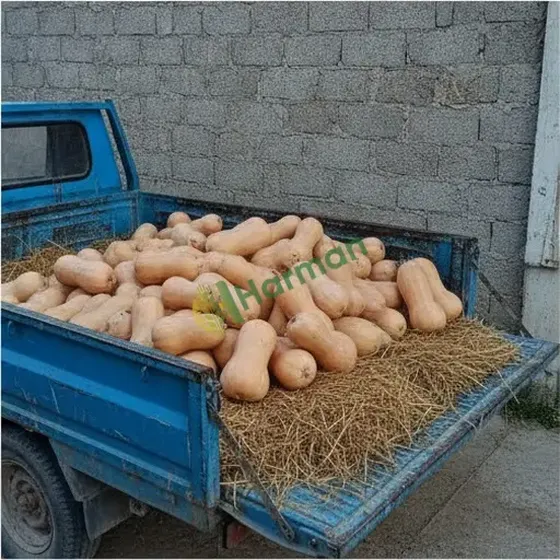
Plant family
Winter squash belongs to the cucurbit family (Cucurbitaceae), along with its close relatives summer squash, zucchini, pumpkins, gourds, cucumbers, and melons such as cantaloupe and watermelon. All of these plants share many of the same pests and diseases, so gardeners should treat them as one group when planning rotations.
Why rotate winter squash
When winter squash or any of its cucurbit relatives grow in the same spot repeatedly, soilborne troubles build up quickly. Fusarium wilt, powdery and downy mildew, and bacterial wilt spores accumulate, while pests like squash bugs, cucumber beetles, and squash vine borers overwinter in the soil and debris near old plantings. Because these vines are heavy feeders, replanting them in the same bed also drains nitrogen and other nutrients faster than the soil can replenish on its own.
What to plant after
Legumes such as bush beans, peas, or a clover cover crop make excellent predecessors because they fix nitrogen and leave the soil richer for a hungry crop like winter squash. Leafy greens or a well-composted bed also set up squash well, since the vines can put that stored fertility straight into leaf and fruit growth. Following a legume with a heavy feeder is one of the most reliable pairings a home gardener can use.
What to avoid
Avoid planting winter squash right before or after any other cucurbit, including cucumbers, melons, pumpkins, summer squash, zucchini, and gourds, because they all host the same wilts, mildews, and beetles that carry over in the soil. Grouping these relatives back to back gives pests and diseases an unbroken food supply and undoes the benefit of rotating at all.
Example rotation
A simple four-year plan for one bed could go like this: Year 1 plant legumes such as beans or peas to build nitrogen, Year 2 plant winter squash as the heavy feeder that follows, Year 3 plant a leafy or brassica crop like lettuce, kale, or broccoli, and Year 4 plant root crops such as carrots, beets, or onions. In Year 5 you return to legumes and begin the cycle again, so squash only comes back to that bed once every four years.
Tips
Keep a simple garden map or notebook each season so you always know where cucurbits grew and can wait at least three to four years before squash returns to the same spot. Sowing a legume or grass cover crop in the off season, and clearing away old vines and fruit at the end of harvest, both cut down on overwintering pests and help the soil rebuild for the next planting.
General guidance for US home gardens. Adapt to your own crops, soil, and space; your Cooperative Extension office can help with a plan for your area. Page updated Sep 18, 2026.