
The Cost of Growing Winter Squash
Winter squash can fit small farm economics well because it stores better than many summer vegetables and sells into fall and winter. It is less labor intensive at harvest than repeated pick crops, though it needs field space and good curing. Profitability often depends on storage quality, variety choice, and matching sizes to market demand.
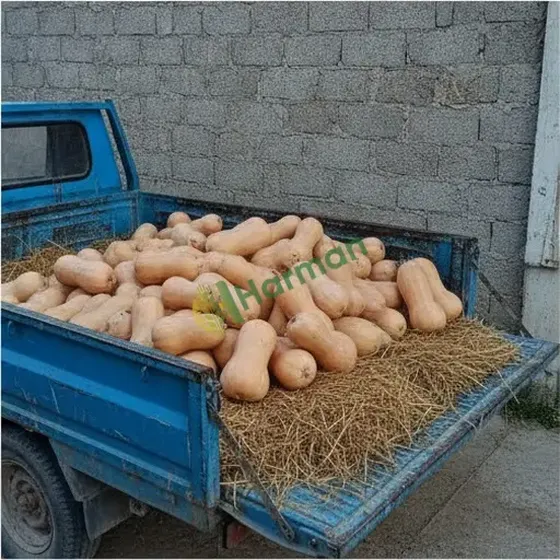
Startup costs
Startup costs include seed or transplants, fertility, irrigation, and field preparation for a spreading vine crop. Depending on the system, mulch or cultivation tools may be needed for weed control early in the season. Curing space, bins, and dry storage are important if squash will be marketed for months after harvest. Larger fruited types can also require more handling equipment or labor.
Ongoing costs
Recurring costs include irrigation, weed control, field scouting, harvest labor, curing, and storage monitoring. Although the crop is not picked as often as tomatoes or beans, postharvest handling still matters because bruises shorten storage life. Shrink during storage becomes an ongoing cost if marketing extends through winter.
Yield & how it sells
Winter squash can produce substantial total tonnage or fruit count per area, and it is usually sold by the fruit, by the pound, or in mixed display bins. Different types can vary widely in size and market preference, so yield value depends on how well the variety matches customer use. Good storage allows sales after the main harvest rush, which can support steadier pricing.
What makes it profitable
Winter squash is often a dependable moderate margin crop for diversified farms, especially in CSA, farm stand, and local grocery channels. It benefits from broad customer familiarity and lower perishability than many tender vegetables. Profitability falls when oversized fruit, poor curing, or storage rot reduce saleable inventory. The crop is usually most useful as a stable part of the whole farm mix rather than as a single standout cash engine.
Financial risks
Main risks include rot, poor pollination, vine disease, storage losses, and market resistance to varieties that are hard to handle or too large for households. Weather near harvest can also reduce quality and curing success. Prices can soften in fall when supply is abundant.
Tips to improve returns
Choose varieties with proven storage quality and household friendly sizes for your market. Protect skins during harvest and cure properly to preserve value into winter. Local Cooperative Extension and your Small Business Development Center can help compare storage costs against expected later season pricing.
General planning information, not financial or investment advice, and not a guarantee of profit. For real budgets, work with your Cooperative Extension office and local Small Business Development Center. Page updated Sep 18, 2026.