
Growing guide · Vegetable
How to Grow Summer Squash
Days to maturity52 days
Spacing24 in
SeasonWarm-season
Start indoors3 wk pre-frost
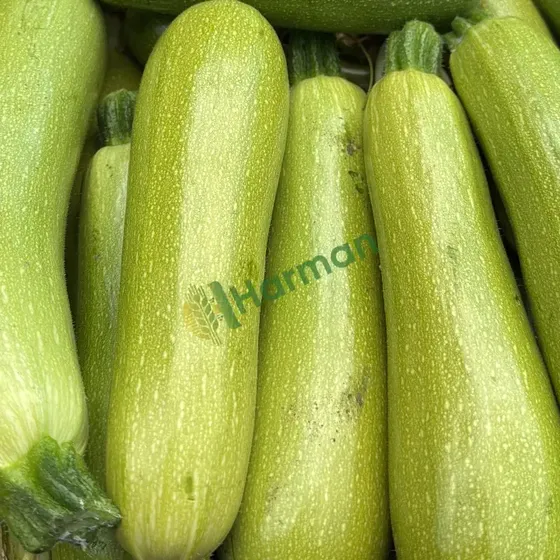
Summer squash, including yellow crookneck and patty pan, brings the same easy abundance as zucchini with a little more variety on the plate. The tender fruit cooks quickly and freezes well.
When and how to plant
Like all summer squash it is frost-sensitive and waits for warm soil, so plant after the last frost as shown above. Direct sowing works well once the weather settles.
Care
Grow it in full sun with steady water and generous spacing so the broad leaves can breathe. A mulch keeps roots cool and moisture even.
Common problems
Vine borers and squash bugs cause the most damage. Rotating where you plant each year and scouting early keep populations down.
Harvest
Harvest summer squash small and tender for the best texture and flavor. Picking regularly encourages a steady stream of new fruit.
Popular Summer Squash varieties to grow
Pick summer squash by plant habit, fruit shape, and resistance to mildew or viruses if those are problems in your area. Since these are harvested immature, productivity and regular picking matter more than storage life.
| Variety | Type | Days | Notes | Best for |
|---|---|---|---|---|
| Early Prolific Straightneck | straightneck yellow | 45 to 50 | A classic yellow summer squash that starts early and produces heavily. Fruit is best picked young for tender texture. | quick harvests, frying |
| Crookneck | yellow crookneck | 50 to 60 | A traditional summer squash with curved necks and slightly bumpy skin. It is valued for strong old-fashioned squash flavor. | fresh cooking, southern gardens |
| Zephyr | yellow bicolor hybrid | 54 | A distinctive two-tone squash with yellow fruit and pale green blossom ends. Plants are productive and fruit is tender when harvested small. | fresh cooking, market-style harvests |
| Patty Pan | scallop squash | 50 to 55 | A group of scalloped summer squashes often sold in white, yellow, or green forms. They are best harvested small and have tender flesh. | sauteing, stuffing small fruit |
| Yellowfin | yellow straightneck hybrid | 40 to 45 | An early hybrid with strong productivity and useful disease resistance. Fruit is smooth, bright yellow, and easy to harvest. | early high yields, fresh use |
| Supersett | yellow straightneck hybrid | 46 | A productive hybrid valued in many gardens for uniform fruit and vigorous plants. It is a practical choice for steady summer harvests. | home gardens, repeated picking |
Variety notes are general guidance for US home gardens; local performance varies by climate and season. Availability differs by seed supplier.
Growing Summer Squash in containers
Bush summer squash is suitable for large containers, while sprawling varieties are less convenient. Give each plant a 10 to 15-gallon pot at least 18 inches deep with drainage holes and moisture-retentive potting mix. Water consistently, feed through the productive season, and choose bush or patio yellow squash types.
Watering & feeding Summer Squash
Aim for about 1 to 2 inches of water per week, including rainfall, with more during prolonged heat. Summer squash is thirsty, especially when flowering and producing fruit. Soak the root zone deeply at the base, preferably in the morning, and let soil drain well between waterings. Mulch reduces evaporation, containers dry faster than garden beds, and drooping with dry soil suggests underwatering while yellow leaves and constantly wet soil can indicate excess water.
Summer squash is a heavy feeder that benefits from compost-enriched soil before planting. It needs balanced fertility for growth and sufficient potassium to support blossoms and fruit development. Provide nutrients at planting as needed, then side-dress or apply a light supplemental feeding after plants begin growing strongly and during sustained fruiting. Avoid high-nitrogen overfeeding, which can favor foliage over squash production. Harvest young squash frequently to encourage continued production. Check moisture below the mulch before adding water.
Saving Summer Squash seeds
Save seed from open-pollinated or heirloom summer squash, not F1 hybrids, and isolate or hand-pollinate because summer squash cross-pollinates with compatible squash types. Leave fruit on the plant until the rind is hard and the fruit is fully mature, rather than harvesting it young for eating. Scoop out seeds, wash off pulp, dry them thoroughly for 1 to 2 weeks, and keep them cool, dark, and dry. Summer squash seed usually remains viable about 4 to 6 years.
Summer Squash companion plants
Summer squash grows well with bush beans, sweet corn, borage, and flowering herbs such as dill. Beans can contribute nitrogen, corn uses overhead space, and the flowers help bring pollinators and beneficial insects into the garden. Keep the center of each squash plant open and give companions room at the bed edge. Avoid close plantings with cucumbers, melons, and other squash because they share cucurbit pests and diseases and compete strongly for space.
When to plant Summer Squash near you
Get the exact start-indoors, transplant, and fall planting dates for Summer Squash at your location.
Frequently asked questions about Summer Squash
When do you plant summer squash?
Plant summer squash after danger of frost has passed and the soil has warmed. It is a warm-season crop that grows best in late spring and summer.
How long does summer squash take to grow?
Most summer squash varieties mature in about 45 to 60 days from planting. Warm weather speeds growth.
How much sun does summer squash need?
Summer squash grows best in full sun, with at least 6 to 8 hours of direct light. Good sun exposure helps reduce weak growth and poor fruiting.
How far apart should summer squash be planted?
Space plants about 2 to 3 feet apart, with rows 3 to 4 feet apart. Good spacing improves airflow and makes it easier to spot harvest-ready fruit.
Can summer squash grow in pots?
Yes, compact types can do well in large containers. Use a roomy pot, rich potting mix, and keep moisture steady through hot weather.
Why does summer squash flower but not make fruit?
Poor pollination is a common reason, especially early in the season when mostly male flowers appear first. Heat stress and lack of pollinator activity can also reduce fruit set.
General guidance for US home gardens. Reference figures are typical values; your exact timing depends on your local frost dates and variety. Page updated Sep 18, 2026.