
Summer Squash Nutrition & Uses
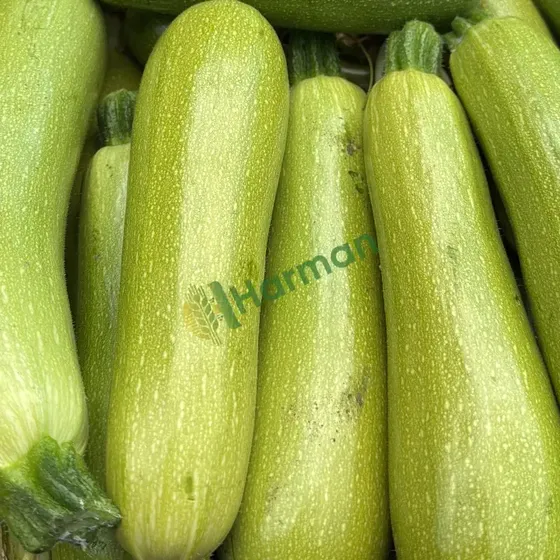
Summer squash includes tender varieties such as yellow squash and pattypan, valued for their mild flavor and soft edible skin. In US cooking they are often sauteed, grilled, roasted, or added to mixed vegetable dishes.
Nutritional profile
According to USDA FoodData Central, summer squash is mostly water and low in calories, with modest amounts of carbohydrate and fiber. It provides vitamin C, vitamin B6, folate, potassium, and small amounts of magnesium and manganese.
In the kitchen
Summer squash cooks quickly and can be grilled, sauteed, roasted, steamed, or baked into casseroles. It is common in skillet vegetable mixes, pasta dishes, sheet-pan roasts, and simple side dishes with herbs and butter.
Choosing & preparing
Pick squash that feels firm and has bright, unblemished skin. Medium-sized squash are usually the most tender, and avoid pieces that feel spongy, oversized, dull, or deeply scarred.
Flavor pairings
Summer squash pairs well with garlic, thyme, basil, oregano, lemon, tomatoes, corn, onions, feta, Parmesan, and breadcrumbs. It also goes well with eggs, chicken, and grilled fish.
Tips
Because it cooks fast, cut pieces evenly so they finish at the same time. If the seeds are large in an older squash, scoop out the center before cooking.
General food-composition information based on USDA FoodData Central. This is not medical or dietary advice; for personal guidance, consult a registered dietitian or your doctor. Page updated Sep 19, 2026.