
Growing guide · Fruit
How to Grow Raspberries
Days to maturity365 days
Spacing30 in
SeasonCool-season
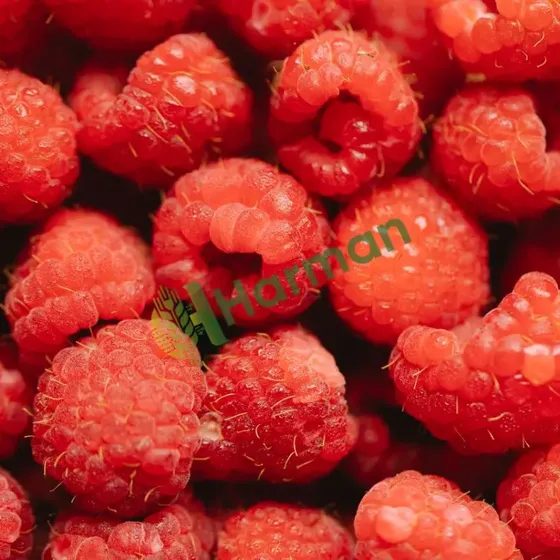
Raspberries are a hardy perennial bramble in the genus Rubus, prized by home gardeners for producing tender, flavorful fruit that is often too soft and perishable to find fresh and inexpensive at the store. A single small planting can yield berries for a decade or more, and by choosing summer-bearing and fall-bearing (everbearing) types you can spread the harvest across much of the growing season. They grow well across a wide range of US climates, roughly USDA zones 3 through 9 depending on the variety.
When and how to plant
Raspberries are almost always started from dormant bare-root canes or potted plants set out in early spring as soon as the soil can be worked, though in mild-winter regions late fall planting also works. Choose a site with full sun, at least six to eight hours a day, and well-drained soil rich in organic matter; avoid low spots where water collects and ground where tomatoes, peppers, or potatoes recently grew. Space plants about 2 to 3 feet apart in rows 6 to 8 feet apart, setting the crown so the roots are just below the soil surface, then water them in well. Because the canes are floppy and the planting spreads by underground roots into a hedgerow, plan to install a simple trellis of posts and wire and keep the row narrow, no more than about 18 inches wide.
Care
Raspberries have shallow roots and need steady moisture, so aim to provide about 1 to 2 inches of water per week, especially while the fruit is sizing up, using drip or ground-level watering to keep the foliage dry. A 2 to 3 inch layer of organic mulch such as straw or wood chips conserves moisture, moderates soil temperature, and suppresses weeds, and it can be refreshed each spring. Feed with compost or a balanced general-purpose fertilizer in early spring as new growth begins, following the label rate for your bed size. The key ongoing job is pruning: on summer-bearing types, cut out the canes that just fruited right after harvest and thin the remaining first-year canes to the strongest few per foot, while fall-bearing types can simply be mowed or cut to the ground during dormancy for one large fall crop.
Common problems
Common problems include gray mold and other fruit rots in wet, crowded plantings, along with cane diseases and root rot on poorly drained sites; good airflow from proper spacing and narrow rows, dry foliage, and prompt removal of spent canes go a long way toward prevention. Insect pests such as sap beetles, Japanese beetles, and the spotted wing fruit fly can damage ripening berries, so pick fruit frequently and clean up fallen or overripe berries that attract them. To limit virus diseases spread by aphids, start with certified disease-free plants, keep raspberries away from wild brambles, and remove any weak or stunted plants.
Harvest
Berries are ready when they are fully colored, plump, and slip easily off the core with a gentle tug, usually over a picking window of several weeks; harvest every two or three days and pick in the cool of the morning when the fruit is firm. Handle the soft berries as little as possible and avoid piling them deep in the container so they do not crush. Fresh raspberries keep only a couple of days refrigerated, so plan to eat, freeze, or preserve them soon after picking; spreading them on a tray to freeze before bagging keeps them from clumping.
Popular Raspberries varieties to grow
Choose raspberries by fruiting habit, summer-bearing or fall-bearing, cane vigor, and local hardiness. Home gardeners also care a lot about flavor, thorniness, and whether berries are best for fresh eating or preserving.
| Variety | Type | Days | Notes | Best for |
|---|---|---|---|---|
| Heritage | fall-bearing, red | - | Heritage is a classic everbearing red raspberry with dependable late-season production and good flavor. It has been one of the most widely grown home-garden varieties for decades. | fall crops, beginner gardens |
| Caroline | fall-bearing, red | - | Caroline is known for large berries and rich flavor, often stronger than older fall-bearing types. It performs especially well where late summers and falls are favorable. | fresh eating, jam |
| Prelude | summer-bearing, red | - | Prelude is one of the earliest red raspberries and often gives a small fall crop as well. It is valued for cold hardiness and very early harvest timing. | early berries, northern gardens |
| Boyne | summer-bearing, red | - | A hardy red raspberry widely grown in colder regions, Boyne produces medium fruit with good processing quality. Plants are tough and dependable. | cold climates, preserves |
| Anne | fall-bearing, yellow | - | Anne is a popular yellow raspberry with pale golden fruit and a sweet, mild flavor. It adds color diversity and fruits on first-year canes. | fresh eating, specialty plantings |
| Joan J | fall-bearing, nearly thornless red | - | Joan J is prized for large berries, strong productivity, and canes with very few thorns. It is convenient to pick and widely liked in home gardens. | easy picking, heavy fall harvests |
Variety notes are general guidance for US home gardens; local performance varies by climate and season. Availability differs by seed supplier.
Growing Raspberries in containers
Raspberries can grow well in large containers, especially compact primocane or patio varieties. Use a 15 to 20 gallon pot at least 18 inches deep with drainage holes, moisture-retentive potting mix, and a trellis or sturdy support. Water regularly during fruiting, feed in spring and again lightly after harvest, and consider varieties sold as compact or thornless patio raspberries.
Watering & feeding Raspberries
Raspberries generally need 1 to 2 inches of water per week, especially from flowering through harvest. They are moderately thirsty during the growing season and less demanding when dormant. Water deeply at the soil line, aiming for even moisture in the root zone rather than wet leaves and frequent shallow watering. Mulch reduces evaporation and weeds; dry, crumbly soil, wilting, and small fruit suggest drought, while yellowing or declining canes in saturated soil may signal overwatering.
Raspberries are moderate feeders that benefit from compost and a soil test before planting. Nitrogen supports cane growth, but balanced phosphorus and potassium are also important for roots and fruiting. Apply compost or a moderate fertilizer in early spring as canes begin growing, then side-dress lightly after harvest only if growth is weak or soil tests call for it. Avoid excessive nitrogen, which can create overly lush canes that are more prone to problems. Increase watering during bloom and berry fill, then reduce irrigation as plants slow in fall. Keep mulch off the cane bases to improve air flow and discourage crown disease.
Saving Raspberries seeds
Raspberries rarely come true from seed, and desirable plants are normally propagated by suckers, tip layering, or divisions. Collect fully ripe fruit, mash it in water, rinse away pulp, and retain the hard seeds before drying them thoroughly. Store dry seed cool and dark for about 2 to 3 years; cold stratification is commonly needed before sowing.
Raspberries companion plants
Good companions for raspberries include chives or garlic, which add diversity and may discourage some insect pests, and low-growing clover in nearby paths, which supports beneficial insects and fixes nitrogen. Yarrow and other small flowering plants nearby can also provide nectar for pollinators and predatory insects without shading the canes. Avoid planting raspberries close to strawberries, tomatoes, potatoes, peppers, or eggplant because they can share serious diseases, including verticillium wilt, and avoid crowding that reduces airflow.
When to plant Raspberries near you
Get the exact start-indoors, transplant, and fall planting dates for Raspberries at your location.
Frequently asked questions about Raspberries
When should I plant Raspberries?
Plant Raspberries in early spring once the soil can be worked and hard frosts have passed, which is the most common approach across most US zones. In mild-winter regions like the South and West Coast, you can also plant bare-root canes in late fall so roots establish before spring growth.
How long does it take to grow Raspberries?
Everbearing (fall-bearing) Raspberries can produce a small crop on new canes their first autumn, while summer-bearing types usually fruit the second year after the canes overwinter. Most plantings reach full, reliable production by their second or third season.
How much sun do Raspberries need?
Raspberries do best in full sun, meaning about six or more hours of direct light per day, which improves yield and fruit sweetness. In hot Southern climates a little afternoon shade can help protect the berries from scorching.
How far apart should I space Raspberries?
Space individual canes roughly 2 to 3 feet apart within a row, and keep rows about 6 to 8 feet apart to allow airflow and easy picking. Good spacing and a trellis reduce disease and keep the patch from turning into an impassable thicket.
Can I grow Raspberries in containers?
Yes, compact or everbearing Raspberries grow well in large containers, ideally a pot of about 5 gallons or more with drainage holes and quality potting mix. Container plants dry out faster, so water regularly and feed during the growing season, and protect the roots from hard freezes in cold zones.
How do I know when Raspberries are ready to harvest?
Ripe Raspberries are fully colored, plump, and slip off the core easily with a gentle tug, leaving a hollow center. Pick every couple of days during peak season, harvest in the cool morning, and eat or refrigerate them quickly since they are very perishable.
What are common problems when growing Raspberries?
Common issues include fungal diseases like cane blight and gray mold in humid conditions, along with pests such as spotted wing drosophila, Japanese beetles, and birds. Good airflow from proper spacing, annual pruning of old canes, and prompt harvesting help keep most problems in check.
General guidance for US home gardens. Reference figures are typical values; your exact timing depends on your local frost dates and variety. Page updated Sep 18, 2026.