
Raspberries Nutrition & Uses
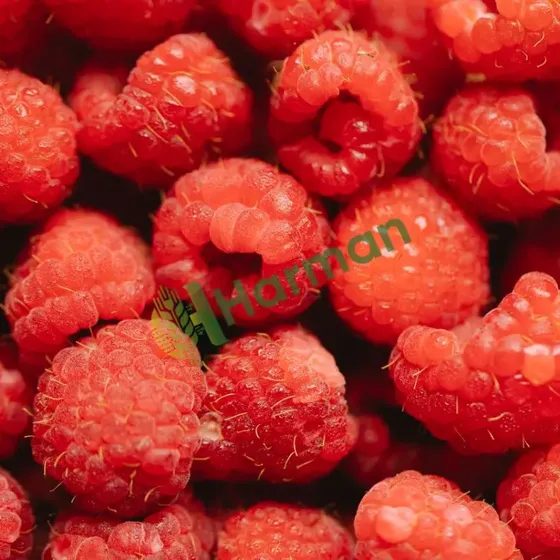
Raspberries are delicate berries with a bright, sweet-tart flavor. In US kitchens, they are used fresh, baked into desserts, and made into jams, sauces, and vinaigrettes.
Nutritional profile
According to USDA FoodData Central, raw raspberries are low in calories and high in water, with notable fiber and natural sugars. They provide vitamin C and manganese, along with smaller amounts of vitamin K, vitamin E, and minerals.
In the kitchen
Raspberries are often served fresh, folded into parfaits, baked into bars and cakes, or cooked into jam, coulis, and fruit sauces. They also work in smoothies, salads, and simple desserts with whipped cream.
Choosing & preparing
Pick berries that are brightly colored, dry, and fragrant, with no wetness or collapse in the container. Avoid mushy, moldy, or heavily crushed fruit.
Flavor pairings
Raspberries pair well with lemon, chocolate, vanilla, almonds, pistachios, cream, mint, and peaches. They also go nicely with balsamic vinegar, goat cheese, and sparkling drinks.
Tips
Handle raspberries gently, since they bruise and spoil quickly. Spread them out in a shallow layer if storing, so the berries on the bottom do not get crushed.
General food-composition information based on USDA FoodData Central. This is not medical or dietary advice; for personal guidance, consult a registered dietitian or your doctor. Page updated Sep 18, 2026.