
Growing guide · Vegetable
How to Grow Pumpkins
Days to maturity100 days
Spacing36 in
SeasonWarm-season
Start indoors3 wk pre-frost
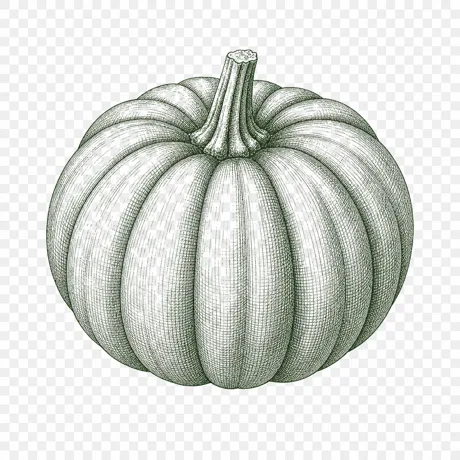
Pumpkins are a fall tradition, whether you grow them for pies, porches, or the sheer fun of a giant. They need space, but few crops delight kids more.
When and how to plant
Pumpkins are frost-tender and slow, so plant after the last frost and give them the full season shown above. Sow seed in warm soil once the weather is reliably mild.
Care
Give pumpkins full sun, rich soil, and deep watering as the fruit swells. The long vines want plenty of elbow room.
Common problems
Squash vine borers and powdery mildew are the biggest challenges. Strong early growth and good spacing help plants outrun both.
Harvest
Cut pumpkins when they are fully colored and the rind resists a fingernail, leaving a length of stem as a handle. Bring them in before a hard freeze and cure in the sun.
Popular Pumpkins varieties to grow
Choose pumpkins by intended use, pie, carving, mini, or giant, plus vine size and days to maturity. Many home gardens do best with one cooking type and one decorative or carving type rather than trying to make every pumpkin do everything.
| Variety | Type | Days | Notes | Best for |
|---|---|---|---|---|
| Connecticut Field | carving pumpkin | 100 to 120 | The classic large orange field pumpkin used for jack-o'-lanterns and fall display. Vines are vigorous and need space. | carving, decoration |
| Jack Be Little | mini pumpkin | 95 | A tiny orange pumpkin borne on productive vines. It is primarily decorative, though it is also technically edible. | table decor, small-space novelty |
| Howden | carving pumpkin | 115 | A widely grown jack-o'-lantern type with good shape, sturdy handles, and bright orange color. It is a standard choice for traditional carving pumpkins. | Halloween carving |
| Small Sugar | pie pumpkin | 100 to 105 | A classic small pie pumpkin with sweet, fine-textured flesh. Fruit size is manageable and well suited to home cooking. | pies, puree |
| Baby Bear | small pie pumpkin | 100 to 105 | Produces small deep orange pumpkins with strong handles and good eating quality. Seeds are often noted for being relatively easy to hull. | pies, decorations |
| Cinderella | heirloom, flattened orange | 100 to 110 | Also known as Rouge Vif d'Etampes, this heirloom has a deeply ribbed flattened form. It is prized for ornamental value and can also be used in the kitchen. | decor, roasting |
| Atlantic Giant | giant pumpkin | 120 | The standard giant-pumpkin variety for growers interested in maximum size. It needs a long season, rich soil, and plenty of space. | giant growing, exhibition |
| Lumina | white pumpkin | 90 to 100 | A white-skinned pumpkin that stands out in fall displays and mixed ornamental plantings. Fruit is medium sized and smooth. | decoration, novelty displays |
Variety notes are general guidance for US home gardens; local performance varies by climate and season. Availability differs by seed supplier.
Growing Pumpkins in containers
Pumpkins are challenging in pots because most varieties have large root systems and long vines. A small-fruited or bush pumpkin can grow in a 20-gallon or larger container at least 18 inches deep, filled with fertile potting mix and fitted with drainage holes. Keep moisture steady, fertilize during active growth and fruiting, and avoid giant pumpkin varieties.
Watering & feeding Pumpkins
Provide about 1 to 1.5 inches of water per week from rain and irrigation, more during hot, dry weather. Pumpkins are thirsty plants and need the most consistent watering during flowering and fruit enlargement. Water deeply at the soil level so moisture reaches the root zone, preferably early in the day. Mulch helps conserve water and keep soil from splashing onto leaves, while wilting in dry soil suggests thirst and yellowing, persistently wet soil can signal overwatering.
Pumpkins are heavy feeders and do best in soil amended with finished compost or other well-rotted organic matter before planting. They need adequate nitrogen for early vine growth, then dependable phosphorus and potassium for flowering and fruit development. Work organic matter and a balanced garden fertilizer into the bed before planting if a soil test indicates a need. Side-dress after vines are established and again as fruits begin forming, but avoid heavy late nitrogen feeding because it can favor leaves over pumpkins. Use a soaker hose or drip irrigation to keep foliage dry and reduce disease pressure. Check soil a few inches down before watering, since large leaves can wilt briefly in midday heat even when the soil is moist.
Saving Pumpkins seeds
Save seed from open-pollinated or heirloom pumpkins, not F1 hybrids, and prevent crossing with compatible squash and pumpkin varieties through isolation or hand pollination. Use a fully mature, cured pumpkin, scoop out the seeds, and wash away strings and pulp. Dry seeds in a single layer for 1 to 2 weeks before storing them cool, dark, and dry. Pumpkin seed generally remains viable about 4 to 6 years.
Pumpkins companion plants
Plant pumpkins with corn, pole beans, borage, and nasturtiums. Corn supplies vertical structure for beans, beans contribute nitrogen, and borage and nasturtiums add pollinator-friendly flowers around the patch. Leave wide pathways so pumpkin vines do not overwhelm their companions. Avoid close planting with cucumbers, melons, and other squash because they share cucurbit pests and diseases and need the same large amount of growing space.
When to plant Pumpkins near you
Get the exact start-indoors, transplant, and fall planting dates for Pumpkins at your location.
Frequently asked questions about Pumpkins
When do I plant pumpkins?
Plant pumpkins after the last frost, when the soil is warm. In many US gardens, sowing in late spring to early summer gives fruit enough time to mature before fall.
How long do pumpkins take to grow?
Most pumpkins need about 85 to 120 days from planting, depending on size and variety. Small pie pumpkins are often earlier than large carving pumpkins.
Do pumpkins need full sun?
Yes, pumpkins need full sun, ideally 8 hours or more. Plenty of sunlight supports vine growth and fruit ripening.
How far apart should pumpkin plants be spaced?
Space pumpkins generously, often 3 to 5 feet apart for smaller types and more for large vining varieties. They need room for long runners and good airflow.
Can pumpkins be grown in containers?
Only smaller bush or mini pumpkin varieties are practical for containers, and they still need a large pot and regular feeding. Full-size pumpkins are usually much better in the ground.
How can I tell when a pumpkin is ready to harvest?
Harvest when the pumpkin has reached full color, the rind is hard enough to resist a fingernail, and the stem is drying. Cut, do not pull, leaving a few inches of stem.
General guidance for US home gardens. Reference figures are typical values; your exact timing depends on your local frost dates and variety. Page updated Sep 18, 2026.