
Pumpkins Crop Rotation
Pumpkins need rotation for the same general reasons as squash, but the long season makes careful bed planning even more important. Moving pumpkins reduces repeated pressure from cucurbit pests and diseases.
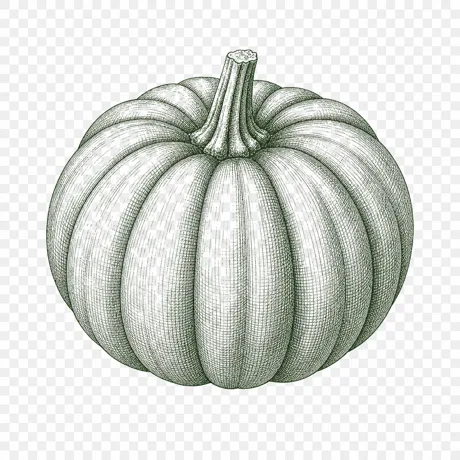
Plant family
Pumpkins are cucurbits. Their common relatives include squash, cucumbers, melons, and gourds, which often attract the same insects and are vulnerable to similar diseases.
Why rotate pumpkins
Pumpkins can carry over mildew, rot organisms, wilt-related problems, and insect pests from one season to the next. They also occupy a large area for a long time, which can concentrate stress on one part of the garden. Planting pumpkins repeatedly in the same bed often leads to weaker vines and more fruit loss. Rotation helps lower those risks and spreads nutrient demand.
What to plant after
Pumpkins grow well after legumes such as peas or beans because those crops fit well ahead of a large summer vine crop. They also can follow early greens or onions if the site has full sun and enough room.
What to avoid
Do not plant pumpkins before or after cucumbers, squash, melons, or gourds. All cucurbits should be rotated together because they share many of the same disease and pest issues.
Example rotation
One straightforward plan is beans in year one, pumpkins in year two, and cabbage in year three. Another is spinach, then pumpkins, followed by peas or carrots the next season.
Tips
Choose one area for cucurbits each year and shift that whole block around the garden. Clean up fruit and vine debris promptly after frost so pests and diseases have fewer places to persist.
General guidance for US home gardens. Adapt to your own crops, soil, and space; your Cooperative Extension office can help with a plan for your area. Page updated Sep 18, 2026.