
Pumpkins Nutrition & Uses
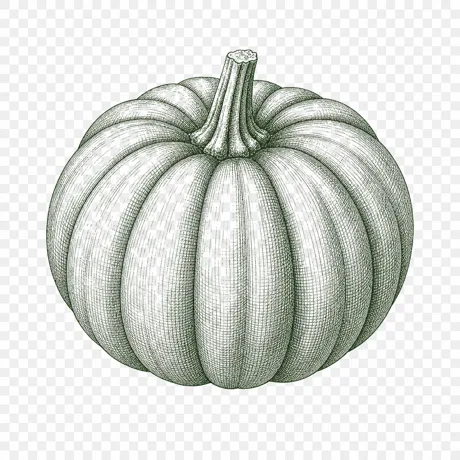
Pumpkins are part of the winter squash family and are used for both decoration and cooking in the United States. Sugar or pie pumpkins are the usual choice for eating because their flesh is sweeter and less watery than large carving types.
Nutritional profile
Pumpkin is low to moderate in calories and contains a lot of water. USDA FoodData Central data show that it is rich in vitamin A from carotenoids and also provides vitamin C, potassium, and fiber. Its flesh is less starchy than some other winter squash, though texture varies by variety.
In the kitchen
Pumpkin is commonly roasted and pureed for pies, soups, quick breads, muffins, and pasta sauces. It can also be cubed and roasted for grain bowls or side dishes. Canned pumpkin puree is widely used for baking and fall cooking.
Choosing & preparing
Choose cooking pumpkins that feel heavy and firm, with dull, hard skin and no soft spots. Smaller pie pumpkins are usually better for the kitchen than large carving pumpkins. Cut carefully, scoop out the seeds, and peel or roast as the recipe requires.
Flavor pairings
Pumpkin pairs well with cinnamon, nutmeg, ginger, sage, butter, cream, maple, and toasted nuts. It also matches well with chilies and earthy beans.
Tips
Roasting before pureeing gives pumpkin a deeper flavor than boiling. Large carving pumpkins are often stringier and less flavorful for eating. Roast the seeds for snacks or toppings instead of discarding them.
General food-composition information based on USDA FoodData Central. This is not medical or dietary advice; for personal guidance, consult a registered dietitian or your doctor. Page updated Sep 18, 2026.