
Growing guide · Vegetable
How to Grow Onions
Days to maturity100 days
Spacing4 in
SeasonCool-season
Start indoors10 wk pre-frost
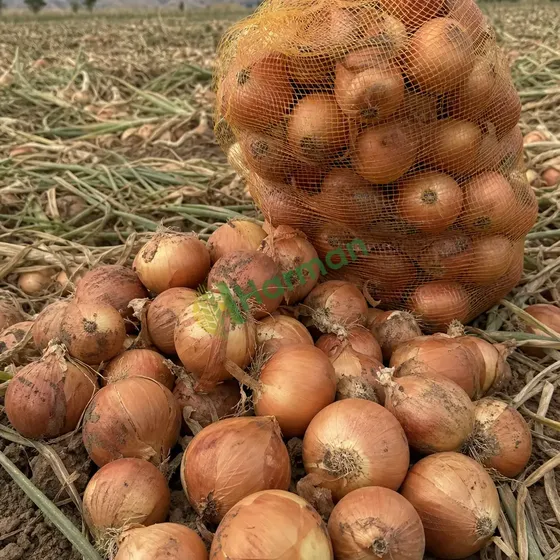
Onions are a kitchen staple you can grow by the basketful and store for months. Choosing the right type for your latitude is the key to big bulbs.
When and how to plant
Onions are cool-season and cold-tolerant, planted before the last frost as the dates above allow, since they build their tops in cool weather before bulbing. Starts or sets are the easiest way to grow them.
Care
Give onions full sun, loose fertile soil, and even water, and keep the bed weed-free. Consistent moisture through the growing period sizes up the bulbs.
Common problems
Thrips and onion maggots are the main pests. Rotating the bed each year and a row cover on young plants help.
Harvest
Onions are ready when the tops yellow and flop over. Lift them, cure in a warm airy spot until the necks are papery, and store the firm ones.
Popular Onions varieties to grow
Choose onions primarily by day length, short-day, intermediate-day, or long-day, plus storage life and whether you want sweet or pungent bulbs. Matching the variety to your latitude matters more than almost any other factor for US gardeners.
| Variety | Type | Days | Notes | Best for |
|---|---|---|---|---|
| Walla Walla | long-day sweet | - | A famous sweet onion with large mild bulbs and relatively poor storage life. It is best adapted to northern latitudes and cool-season production. | fresh eating, sweet onions |
| Yellow Sweet Spanish | long-day sweet | 110 to 120 | A classic large yellow onion with mild flavor and big bulbs under long-day conditions. It is grown more for size and fresh use than long storage. | slicing, large bulbs |
| Red Burgundy | short-day red | 95 to 110 | A common short-day red onion for southern gardens, with attractive color and mild flavor. It is a useful home-garden variety where winters are mild. | southern gardens, fresh use |
| Texas Early Grano 502 | short-day yellow | 110 | A well-known short-day onion that bulks early and produces mild yellow bulbs. It is widely grown in the South and Southwest. | short-day regions, fresh eating |
| Candy | intermediate-day sweet hybrid | 85 to 95 | A widely adapted hybrid onion that works across a broad middle band of the US. Bulbs are large, mild, and more versatile than many very sweet onions. | intermediate latitudes, all-purpose use |
| Copra | long-day storage | 104 | A pungent yellow onion known for excellent storage potential and solid bulb quality. It is a strong choice for northern gardeners wanting winter keepers. | storage, cooking |
| Ailsa Craig | long-day sweet heirloom | 95 to 110 | A famous exhibition onion capable of very large size with mild flavor. It is best used fresh rather than stored long term. | large bulbs, slicing |
| Red Zeppelin | intermediate to long-day red hybrid | 100 to 110 | A modern red onion with good uniformity and better storage than many mild red types. It is useful for gardeners wanting both color and keeping quality. | storage, red onions |
Variety notes are general guidance for US home gardens; local performance varies by climate and season. Availability differs by seed supplier.
Growing Onions in containers
Onions grow well in containers, especially bunching types and smaller bulb varieties. Use a pot at least 8 inches deep, with 3 to 4 inches of spacing per bulb, and a drainage hole. Fill with loose, fertile potting mix, keep it evenly moist, and feed lightly with a nitrogen-forward vegetable fertilizer until bulbs begin to swell.
Watering & feeding Onions
Provide about 1 inch of water per week from rain and irrigation, increasing modestly in hot, dry weather. Onions are moderately thirsty because their shallow roots dry out quickly. Water slowly at the soil line so moisture reaches the root zone without keeping foliage wet, and mulch to conserve water. Water in the morning, and watch for limp or yellowing leaves from drought or persistently soggy soil.
Onions are moderate feeders that benefit from fertile, well-drained soil amended with compost before planting. Nitrogen supports early leaf growth, while phosphorus and potassium support rooting and bulb development. Incorporate compost before planting and feed lightly during active leaf growth, following soil-test guidance when available. Stop high-nitrogen feeding once bulbs start swelling, since excess nitrogen can delay maturity and reduce storage quality. Keep moisture consistent during bulb formation, then reduce watering as tops yellow near harvest. Avoid piling mulch directly against the bulb.
Saving Onions seeds
Save seed only from open-pollinated or heirloom onions, because F1 hybrid seed will not come true. Onions are biennials, so select sound, well-storing bulbs, overwinter them in a suitable climate or replant stored bulbs in spring, then let the flower heads ripen until black seeds show. Cut mature umbels, dry them thoroughly indoors, rub out the seeds, and store them cool, dark, and dry. Onion seed is short-lived, usually best within 1 year and often usable for 2 years.
Onions companion plants
Grow onions with carrots, lettuce, beets, and strawberries. Their upright, narrow foliage uses little space, and their scent may help disrupt onion and carrot pest finding, while lettuce and beets occupy nearby soil efficiently. Avoid planting onions close to peas or beans, because alliums can suppress legume growth and the crops have different fertility needs.
When to plant Onions near you
Get the exact start-indoors, transplant, and fall planting dates for Onions at your location.
Frequently asked questions about Onions
When do you plant onions in the US?
Plant onion sets or transplants in late winter to early spring in most areas. In mild-winter regions, many gardeners plant short-day onions in fall for late spring harvest.
How long do onions take to grow?
Bulb onions usually take about 90 to 120 days, though some take longer. Green onions can be harvested much sooner, often in 50 to 70 days.
How much sun do onions need?
Onions need full sun for best bulb development, ideally 6 to 8 or more hours a day. Too much shade often means small bulbs.
Why are my onion tops falling over?
If bulbs are nearly mature, tops naturally fall over as onions finish. If plants flop early, check for overwatering, disease, or weak growth from too much nitrogen.
How do I know when onions are ready to harvest?
Bulb onions are usually ready when most tops yellow and fall over. Pull them, let them cure in a dry airy place, and store only fully dried bulbs.
General guidance for US home gardens. Reference figures are typical values; your exact timing depends on your local frost dates and variety. Page updated Sep 18, 2026.