
Onions Nutrition & Uses
Onions are a basic flavor builder in American cooking and show up in nearly every savory cuisine. They can be sharp and crisp when raw or sweet and mellow when cooked.
Nutritional profile
Onions are low in calories and high in water. USDA FoodData Central data show that they provide vitamin C and smaller amounts of folate and potassium. They also contain some fiber, though they are not as fiber-rich as denser vegetables.
In the kitchen
Onions are used raw in salads, sandwiches, relishes, and salsas, and cooked in soups, sauces, stir-fries, roasts, and casseroles. They can be sauteed until translucent, cooked slowly until caramelized, or pickled for brightness. White, yellow, and red onions each bring slightly different flavor and texture to a dish.
Choosing & preparing
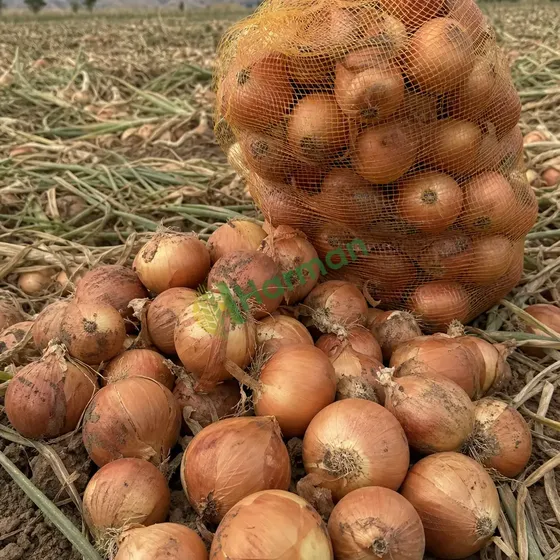
Choose onions that are firm, dry, and heavy, with papery outer skin and no damp spots. Avoid bulbs with mold, soft areas, or early sprouting. Peel away the dry outer layer and trim the root and stem ends before slicing.
Flavor pairings
Onions pair well with garlic, butter, vinegar, tomatoes, beef, beans, peppers, and fresh herbs. Their sweetness also balances salty cheeses and cured meats.
Tips
Long cooking reduces onion sharpness and brings out sweetness. Red onions can be soaked briefly in cold water to soften their bite for raw use. Save skins and trimmings for stock if they are clean.
General food-composition information based on USDA FoodData Central. This is not medical or dietary advice; for personal guidance, consult a registered dietitian or your doctor. Page updated Sep 18, 2026.