
Onions Crop Rotation
Onions respond well to rotation because repeated planting in the same place can increase disease pressure and reduce bulb quality. Rotating them also helps balance nutrient use and makes it easier to manage weeds.
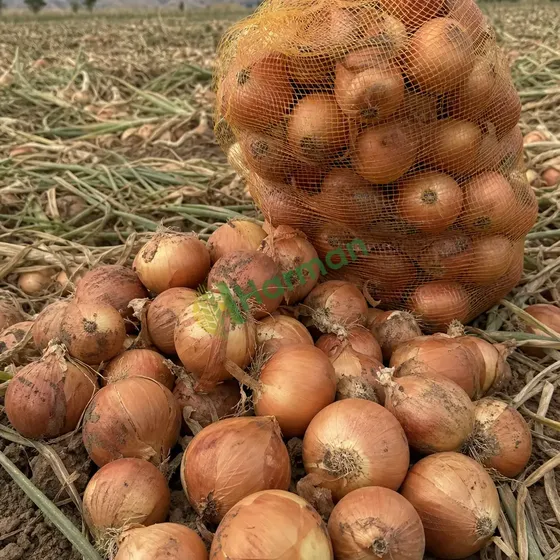
Plant family
Onions are in the allium family. Close garden relatives include garlic, leeks, shallots, and chives, and these crops share many of the same disease concerns.
Why rotate onions
Onions can leave behind problems such as basal rot, white rot, and other diseases that survive in soil for years. They also compete poorly with weeds, so repeated onion plantings can make a bed harder to manage. Although onions are not as heavy feeding as some fruiting crops, they still need steady fertility for good bulb development. Rotation lowers disease buildup and helps maintain bed health.
What to plant after
Onions do well after beans, peas, lettuce, or other crops that leave the soil fairly clean and friable. They are also a good follow-up to crops that received compost the previous season, since onions prefer fertile but not overly fresh organic matter.
What to avoid
Do not plant onions right after garlic, leeks, or other alliums. These crops share persistent diseases, especially white rot, so keeping alliums out of the same bed for several years is important.
Example rotation
A simple plan is peas the first year, onions the second year, and cabbage the third year. Another useful sequence is lettuce, then onions, followed by beans or beets.
Tips
Keep onion beds free of volunteer alliums and cull piles, which can shelter disease. If you have had white rot or a similar allium disease, extend the rotation as long as possible.
General guidance for US home gardens. Adapt to your own crops, soil, and space; your Cooperative Extension office can help with a plan for your area. Page updated Sep 19, 2026.