
The Cost of Growing Onions
Onions are a practical crop for small farms because they have steady customer demand and can be sold fresh, cured, or in storage. The economics are often stronger for direct market growers who offer sweet, specialty, or bunching onions rather than trying to match low commodity prices. They also help balance a market mix because they store and transport well compared with many leafy crops.
Startup costs
Startup costs include seed, sets, or transplants, plus bed preparation, fertility, and irrigation. Transplanted onions require more upfront labor or greenhouse materials, while direct seeded onions may need better weed control tools and stand management. Curing racks, harvest bins, and dry storage can add to setup costs for growers planning to hold crop for later sales. Mulch or cultivation equipment may also be needed depending on the system.
Ongoing costs
Recurring costs center on weeding, irrigation, fertility, harvest labor, curing, and sorting. Weed pressure can be especially expensive because onions compete poorly early in the season. Storage management adds labor and shrink risk when onions are marketed over time.
Yield & how it sells
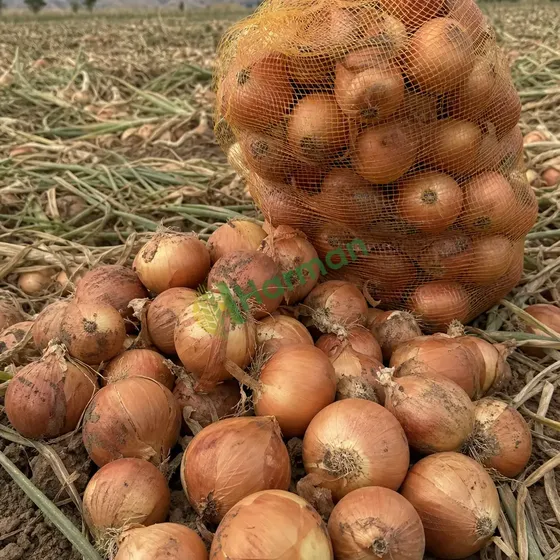
Onions can produce good yields per bed or acre, and they sell in several forms such as bunches, fresh bulbs, cured bulbs, and mesh bags. Direct market value often improves with size uniformity, clean skins, and specialty colors or sweet types. Because they store reasonably well, growers may be able to spread sales beyond peak harvest if quality is maintained.
What makes it profitable
Onions can be solid but not dramatic profit makers, with success tied to storage quality, weed control, and market channel. Farmers markets, CSA boxes, and local grocers often value cured onions because they are a familiar staple with low display loss. Profitability rises when the farm can produce clean, uniform bulbs and extend the selling window into fall and winter. It is harder to make strong margins when yields are uneven or the crop is sold in bulk at commodity style prices.
Financial risks
Main risks include weed competition, disease in wet conditions, storage losses, and price pressure when regional supply is heavy. Poor curing can lead to rot and shrink after harvest. Weather that reduces bulb sizing can also cut revenue even if stands look acceptable.
Tips to improve returns
Match varieties and day length types carefully to your region so bulbs size and cure properly. Invest in weed control early because delayed cleanup is expensive and often hurts yield. For realistic numbers, build crop budgets with your local Cooperative Extension and Small Business Development Center.
General planning information, not financial or investment advice, and not a guarantee of profit. For real budgets, work with your Cooperative Extension office and local Small Business Development Center. Page updated Sep 18, 2026.