
Growing guide · Vegetable
How to Grow Lima Beans
Days to maturity75 days
Spacing4 in
SeasonWarm-season
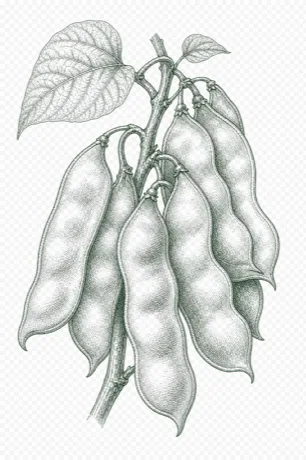
Lima beans, also called butter beans, are a warm-season legume that American gardeners grow for the creamy, buttery flavor of the plump seeds inside each flat, glossy green pod. They come in compact bush types that mature quickly and vigorous pole types that climb six to ten feet and keep producing for weeks. In the South especially, a summer supper of fresh butter beans simmered with a little bacon is a long-standing tradition. Even one short row can hand you enough shelled beans for several meals.
When and how to plant
Lima beans are frost-tender and need genuinely warm soil to germinate, so wait until one to two weeks after your last spring frost, when soil has reached at least 65 F and daytime temperatures are settled in the 70s. Almost always direct sow the seeds right where they will grow, since beans resent root disturbance; gardeners in very short-season regions can start a few plants indoors in peat or paper pots two to three weeks early. Choose a spot with full sun, at least six to eight hours a day, and loose, well-drained soil that is not overly rich in nitrogen. Cold, wet soil rots the seed, so patience early on pays off.
Care
Water deeply and evenly, aiming for about an inch a week, and be especially consistent once flowering and pod set begin, because drought stress during bloom causes blossoms to drop. Limas fix their own nitrogen, so go easy on fertilizer; a light feeding of a balanced or lower-nitrogen fertilizer at planting is plenty, as too much nitrogen gives lush vines and few pods. Space bush types about three to four inches apart in rows two to three feet apart, and pole types six to ten inches apart with a sturdy trellis, tepee, or fence in place at planting time. Mulch helps hold moisture and keep weeds down.
Common problems
The most common pests are Mexican bean beetles, aphids, and spider mites, along with occasional stink bugs that scar the seeds; inspect leaf undersides and knock off or hand-pick beetles and egg clusters early. Fungal and bacterial diseases such as anthracnose, rust, and bacterial blight show up as spots on leaves and pods, and root rot appears in cold, soggy ground. Simple prevention goes a long way: rotate beans to a new spot each year, water at the base rather than overhead, give plants room for air to move, and avoid working among the vines when the foliage is wet.
Harvest
For shelling, pick the pods when they are bright green, firm, and well filled, with the bean shapes clearly bulging through the pod but before the pods yellow or toughen. Hold the vine with one hand and pull or snap each pod off with the other so you do not tear the plant, then shell the beans out at the kitchen table. Bush plants tend to ripen a concentrated flush, while pole types produce over a long stretch, so pick every few days to keep them setting new pods. For dried limas, leave the pods on the vine until they are papery and rattly, then shell and finish drying indoors.
Popular Lima Beans varieties to grow
Choose lima beans by plant size, whether you want bush or pole growth, and whether you plan to harvest young green seeds or dry beans. Bush types are easier in small gardens, while pole types often produce larger beans over a longer season.
| Variety | Type | Days | Notes | Best for |
|---|---|---|---|---|
| Henderson's Bush | bush baby lima | 65 | A classic small-seeded bush lima that matures relatively early and fits easily into home gardens. Plants are compact and productive for their size. | shorter seasons, freezing |
| Fordhook 242 | bush lima | 75 | A widely grown large-seeded bush lima with thick, buttery beans. It is one of the best-known home-garden lima varieties in the US. | succotash, fresh shell beans |
| Burpee Improved Bush | bush lima | 75 | A productive bush variety with large beans and concentrated harvest. It is grown where gardeners want lima quality without a trellis. | small gardens, fresh shelling |
| Jackson Wonder | bush lima, speckled seed | 65 to 70 | An old southern heirloom valued for both green shelling and dry bean use. It handles heat well and has distinctive mottled seed. | southern gardens, dry beans |
| King of the Garden | pole lima | 85 to 90 | A classic pole lima with vigorous vines and large beans. It needs support and a long warm season, but rewards gardeners with heavy yields. | large harvests, long-season gardens |
| Christmas Lima | pole lima, heirloom | 90 | A pole lima known for striking red-and-white mottled seed and rich flavor. Vines are vigorous and best in warm climates with a long season. | dry beans, specialty heirloom growing |
Variety notes are general guidance for US home gardens; local performance varies by climate and season. Availability differs by seed supplier.
Growing Lima Beans in containers
Lima beans can grow in containers, although pole types need a large pot and tall support. Use at least a 5 gallon, 12-inch-deep pot per bush plant, or a 15 to 20 gallon container for several pole plants, with drainage holes and fertile, well-drained mix. Keep soil evenly moist during flowering and pod fill, fertilize lightly, and choose bush lima beans where space is limited.
Watering & feeding Lima Beans
Supply roughly 1 inch of water per week, with extra attention during bloom and pod development. They have average water needs and can suffer if soil dries severely while pods are forming. Soak the root zone deeply, then allow the surface to dry a little before watering again. Use morning, base-level watering and mulch to reduce evaporation, while dry, drooping plants signal thirst and persistent wetness, yellow leaves, or root problems point to excess water.
Lima beans are light to moderate feeders and, as legumes, generally need little added nitrogen. Build soil with compost before planting and correct phosphorus or potassium only according to a soil test. Feed lightly at planting only if the soil is poor or a soil test calls for it. Skip routine nitrogen side-dressing, because too much nitrogen can delay flowering and pod set. Keep moisture especially consistent once flowering begins. Give pole types enough space and support so foliage dries quickly after rain or irrigation.
Saving Lima Beans seeds
Save seed from open-pollinated or heirloom lima beans, because F1 hybrid seed will not reliably come true. Leave pods on the plant until they are dry and brown, harvest before wet weather, and shell the dry beans. Spread the beans indoors for additional drying, then seal them in a cool, dry container once they are fully hard. Lima bean seed commonly remains viable for about 3 to 4 years.
Lima Beans companion plants
Pair pole lima beans with corn or a sturdy trellis, and use a low squash nearby only if it will not smother the bean seedlings. Lima beans are legumes, so their root nodules can add nitrogen to the garden system over time, and nearby small flowers such as sweet alyssum can provide beneficial-insect habitat. Avoid planting them tightly with other beans, peas, or soybeans because they share several insect pests and foliar diseases, and avoid immediate proximity to onions and garlic, which can inhibit young legumes.
When to plant Lima Beans near you
Get the exact start-indoors, transplant, and fall planting dates for Lima Beans at your location.
Frequently asked questions about Lima Beans
When should I plant Lima Beans?
Plant Lima Beans outdoors after all danger of frost has passed and the soil has warmed to at least 65 F, usually mid to late spring. Lima beans are very cold-sensitive, so planting into cold, wet soil often causes seeds to rot instead of sprout.
How long do Lima Beans take to grow?
Bush types are typically ready in about 65 to 75 days from planting, while pole (climbing) types usually take around 85 to 90 days. Warm weather speeds things up, so timing varies with your region and the summer heat.
How much sun do Lima Beans need?
Lima Beans need full sun, meaning at least 6 to 8 hours of direct light per day. They also depend on steady warmth, so a hot, sunny spot produces the best pods.
How far apart should I space Lima Beans?
Space bush lima beans about 4 to 6 inches apart in rows roughly 24 to 30 inches apart. Pole types need about 6 to 10 inches between plants along a sturdy trellis or poles they can climb.
Can I grow Lima Beans in containers?
Yes, bush lima beans grow well in containers that are at least 8 to 10 inches deep with drainage holes. Use a quality potting mix, keep them in full sun, and water consistently since pots dry out faster than garden soil.
How do I know when Lima Beans are ready to harvest?
For shelling, pick when the pods are plump, bright green, and the beans inside feel firm but not hard, usually before the pods start to yellow. For dried limas, leave the pods on the plant until they turn brown and papery, then shell out the beans.
General guidance for US home gardens. Reference figures are typical values; your exact timing depends on your local frost dates and variety. Page updated Sep 19, 2026.