
Lima Beans Pests & Diseases
Lima beans face pressure from sap-feeding and leaf-chewing insects along with warm, humid-weather diseases that attack leaves and pods. The good news is that most problems are manageable in a home garden with rotation, good airflow, and early, least-toxic intervention.
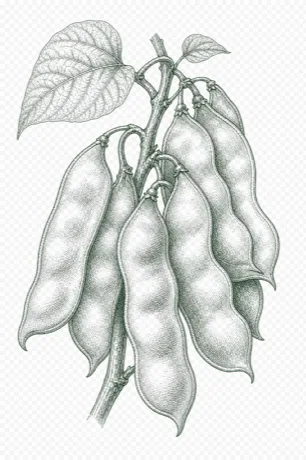
Common Lima Beans pests
The Mexican bean beetle is the signature pest of this family: coppery-orange adults with sixteen black spots and spiny yellow larvae both skeletonize the undersides of leaves. Bean leaf beetles chew round holes in foliage and gouge pods, while aphids (bean and cowpea aphids) and whiteflies cluster on shoots, curl leaves, secrete sticky honeydew, and can spread viruses. Also watch for potato leafhoppers (yellowing, cupped leaf edges called hopperburn), spider mites (fine stippling and webbing in hot, dry spells), stink bugs and the lima bean pod borer that blemish or tunnel developing pods, plus seedcorn maggots and cutworms that attack seedlings. Rabbits, groundhogs, and deer will browse tender plants, so a fence often pays for itself.
Common diseases
Downy mildew of lima bean, caused by Phytophthora phaseoli, is a classic cool, wet-weather disease that coats pods and shoot tips with white to purplish fuzzy growth. Anthracnose shows as dark, sunken lesions with pinkish centers on pods, stems, and leaf veins, and bacterial blights (common and halo blight) cause water-soaked spots that dry brown, often ringed with a yellow halo. Rust produces reddish-brown pustules on leaf undersides, white mold (Sclerotinia) creates cottony growth and a watery stem rot, and root rots (Rhizoctonia, Fusarium, Pythium) cause damping-off and stunting. Bean common mosaic virus, spread by aphids, mottles and puckers leaves and stunts plants.
Prevention
Rotate beans and other legumes so they do not return to the same bed for three or four years, and choose disease-resistant or tolerant varieties when available. Space plants for good airflow, keep rows weed-free, and stake or trellis pole types so foliage dries quickly. Water at the base in the morning rather than overhead, and never work among plants when the leaves are wet, since that spreads bacterial and fungal spores. Plant into warm soil to avoid seed and seedling rots, remove and destroy heavily diseased plants, and clean up all bean debris at season's end to deny pests and pathogens a place to overwinter.
Organic control
Scout early and hand-pick Mexican bean beetles, their orange egg clusters, and bean leaf beetles into soapy water, and drop the yellow larvae as you find them. Float lightweight row covers over young plants to exclude beetles and leafhoppers, removing them once flowering begins so pollinators can reach the blooms. For aphids, mites, and whiteflies, a strong spray of water plus insecticidal soap or neem oil applied to leaf undersides usually suffices, and beneficial insects such as lady beetles, lacewings, and the parasitic wasp Pediobius help keep bean beetles in check. For fungal problems like rust and downy mildew, copper or sulfur fungicides used preventively at the first sign in cool, damp weather can slow spread. Always read and follow the product label for any soap, oil, copper, or sulfur, and spray in the cool of the day to avoid leaf burn.
Scouting & monitoring
Begin checking twice a week as soon as seedlings emerge, looking for cutworm damage at the soil line and beetle feeding on the first true leaves. Turn leaves over to catch aphid colonies, mite stippling, and Mexican bean beetle egg masses before they explode, and note any yellowing, mottling, or spotting that signals disease. During warm, humid weather and again as pods set, inspect pods and shoot tips closely for downy mildew, anthracnose lesions, and stink bug feeding. Early detection while populations and infections are small is what keeps management least-toxic.
Tips
Prevention beats rescue: rotate your beans, give them room to breathe, and water at the base to sidestep most disease before it starts. Catch pests early by flipping leaves twice a week, and reach for hand-picking, row covers, and insecticidal soap or neem before anything stronger.
General home-garden IPM guidance, focused on prevention and least-toxic control. Always read and follow the product label for any pesticide, including organic products. Page updated Sep 18, 2026.