
When & How to Harvest Lima Beans
Knowing when to pick lima beans is the key to good flavor, and the right moment depends on whether you want them as tender shell beans or as dried beans for storage. Watching the pods closely and picking often gives you the best quality and keeps the plants productive.
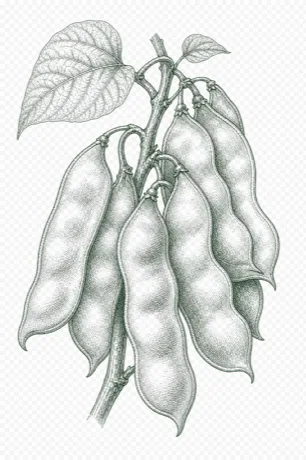
How to tell it is ready
For fresh shelling, the pods are ready when they are bright green, firm, and plump, with the outlines of the beans clearly bulging through the pod but before the pods start to yellow or turn leathery. Open one pod to check: the beans inside should be full-sized, plump, and green. For dried beans, wait until the pods are fully mature, brown, and papery, and the beans rattle inside.
How to harvest
Hold the vine steady with one hand and snap or gently pull each pod off with the other so you do not tear the stems or pull down the plant. A basket or bucket makes it easy to gather as you go, and shelling is done afterward by pressing the seam open and running a thumb down the row of beans. For pole types, pick from the bottom up and check the interior of the canopy where pods hide.
Timing
Lima beans generally reach harvest about 60 to 90 days from sowing, with bush types earlier and pole types later. Harvest in the cool of the morning after the dew has dried, when the beans are crisp and full. Bush varieties tend to concentrate their pods, while pole varieties need repeated passes every two to three days over several weeks to catch pods at their peak and encourage continued flowering.
After the harvest
Get picked pods out of the sun and into a cool place quickly, because heat turns shelled limas starchy fast. For fresh use, refrigerate the pods promptly and shell them near cooking time. For dried beans, spread the shelled seeds in a single layer in a warm, airy spot until they are hard and glassy before storing them in airtight containers.
Tips
Pick regularly and do not let pods over-mature on the vine if you want tender shell beans, since old pods signal the plant to slow down. Avoid harvesting or handling the vines while the foliage is wet to reduce the spread of disease. Keep a few of your best plants going to full maturity if you want to save seed or lay in a supply of dried beans.
General guidance for US home gardens. Timing varies by variety and region; check your local frost dates. Page updated Sep 18, 2026.