
Lima Beans Nutrition & Uses
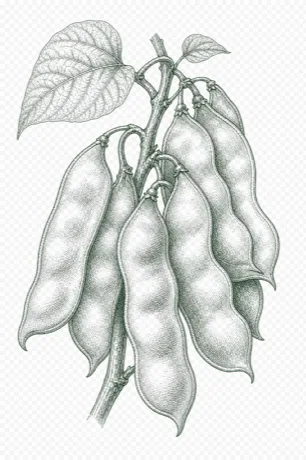
Lima beans are a starchy legume with a soft, creamy texture and mild, buttery flavor, which is why they are also called butter beans. The following is a general description of their composition, based on USDA FoodData Central.
Nutritional profile
According to USDA FoodData Central, lima beans are relatively high in carbohydrate and dietary fiber, with a moderate amount of plant protein and very little fat. Cooked lima beans have a moderate calorie content and a fairly high water content when prepared fresh. They contain minerals such as potassium, iron, magnesium, and manganese, along with folate and other B vitamins, plus some vitamin C in the fresh beans. Exact values vary between fresh (immature) and dried (mature) beans and with how they are cooked.
In the kitchen
Lima beans are almost always cooked before eating and are never eaten raw. Simmer fresh shelled beans in salted water until tender, then finish them with butter, salt, and pepper for a classic side, or fold them into a stew. They are the traditional bean in succotash paired with sweet corn, and dried limas make hearty soups, braises, and Southern butter-bean pots seasoned with a little smoked meat, onion, and herbs.
Choosing & preparing
Choose fresh pods that are firm, plump, and bright to dark green, with the beans well filled out and no yellowing, mold, or shriveling. Shelled fresh beans should look plump and pale green with smooth, unbroken skins. For dried limas, pick beans that are uniform in size and color with few cracked or shriveled ones.
Flavor pairings
Lima beans pair naturally with corn, tomatoes, onions, and bell peppers, and take well to butter, olive oil, garlic, and herbs like thyme, parsley, sage, and bay. Smoky flavors such as bacon, ham, or smoked paprika complement their mildness, and a squeeze of lemon or a splash of vinegar brightens a finished pot.
Tips
Dried lima beans cook faster and more evenly if you soak them first, either overnight or with a quick hot-soak method. Skim off the loose skins and any foam that rises during cooking for a cleaner texture, and salt toward the end so the beans soften fully. Herbs are used in small amounts to season the dish rather than as a main ingredient.
General food-composition information based on USDA FoodData Central. This is not medical or dietary advice; for personal guidance, consult a registered dietitian or your doctor. Page updated Sep 18, 2026.