
Lima Beans Crop Rotation
Rotating lima beans each season helps keep the soil healthy and reduces the pest and disease pressure that can quietly build when the same crop returns to one bed. Because lima beans add nitrogen to the soil, moving them through your garden also lets you spread that benefit around.
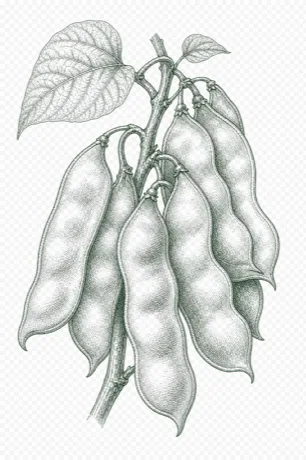
Plant family
Lima beans belong to the legume family, along with close relatives such as bush and pole snap beans, green beans, fava beans, cowpeas, peas, and even peanuts. These crops share many of the same pests and soilborne diseases, so from a rotation standpoint they should all be treated as one group.
Why rotate lima beans
When lima beans or other legumes grow in the same spot year after year, soilborne problems like fusarium root rot, rhizoctonia, white mold (sclerotinia), and root-knot nematodes can accumulate and become harder to manage. Bean-feeding pests such as bean beetles and root-attacking maggots also find it easier to persist when their favorite host stays put. Rotating breaks these cycles by denying pests and pathogens a steady host in the same soil.
What to plant after
Lima beans do well following heavy feeders like tomatoes, squash, corn, or leafy greens, since those crops draw down soil nitrogen that beans can then help replenish. Root crops such as carrots, beets, or onions also make fine predecessors because they belong to unrelated families and share few pests with beans. Following a grass or grain cover crop is another good option, as it adds organic matter and breaks the legume disease cycle.
What to avoid
Avoid planting lima beans right before or after other legumes such as snap beans, peas, fava beans, cowpeas, or peanuts, because they share the same diseases and pests, which lets those problems compound in the soil. It is best not to return lima beans (or any bean relative) to the same bed for at least two to three years so the soil has time to clear those pathogens.
Example rotation
A simple four-year, four-bed plan could run like this: Year 1 grow tomatoes or squash (heavy feeders), Year 2 follow with lima beans (nitrogen fixers), Year 3 plant leafy greens or brassicas that use the added nitrogen, and Year 4 grow root crops like carrots or onions. Rotate each group to the next bed every year, so lima beans only come back to any given bed once every four years.
Tips
Keep a simple garden map or notebook each season so you can see where the legumes grew and make sure beans do not circle back too soon. Grouping your beds by plant family and following lima beans with a grass or grain cover crop makes it easy to move the whole legume group together and keep the soil covered between plantings.
General guidance for US home gardens. Adapt to your own crops, soil, and space; your Cooperative Extension office can help with a plan for your area. Page updated Sep 18, 2026.