
Growing guide · Vegetable
How to Grow Edamame
Days to maturity80 days
Spacing4 in
SeasonWarm-season
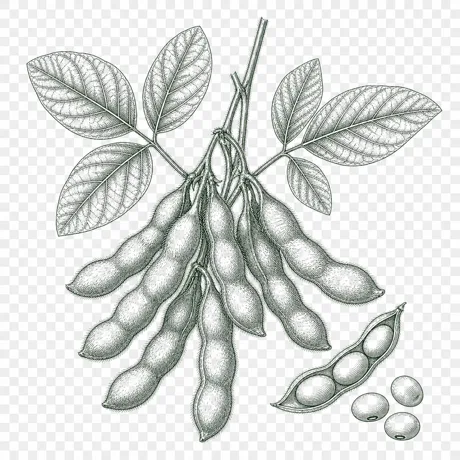
Edamame is a warm-season vegetable soybean harvested young, when the fuzzy pods are plump but still bright green. US gardeners love it because a quick boil in salted water turns the pods into a snack you pop straight into your mouth, and homegrown beans taste noticeably sweeter than the frozen bags at the store. The compact, bushy plants fit well in raised beds and small backyard plots across much of the country.
When and how to plant
Sow edamame outdoors after all danger of frost has passed and the soil has warmed to at least 60F, usually a week or two after your last spring frost date. It resents transplanting, so most gardeners direct sow seeds about an inch deep right where the plants will grow. Choose a spot with full sun, at least six to eight hours a day, and well drained soil rich in organic matter with a near neutral pH.
Care
Keep the soil evenly moist, giving about an inch of water a week, especially once the pods begin to fill. As a legume, edamame fixes much of its own nitrogen, so go light on nitrogen fertilizer and simply work in some compost before planting. Thin seedlings to about three to four inches apart in rows two to three feet apart; the sturdy bush plants usually stand on their own and rarely need staking.
Common problems
Watch for aphids, bean leaf beetles, Japanese beetles, and stink bugs, which chew leaves and pods; handpicking and floating row cover over young plants keep numbers down. Rabbits and deer also nibble tender seedlings, so fencing helps in rural gardens. Rotate where you plant beans each year and avoid working among wet plants to limit fungal and bacterial leaf spots.
Harvest
Edamame is ready roughly 80 to 90 days after sowing, when the pods are bright green, plump, and filled out but before they start to yellow. The whole plant tends to mature at once, so many gardeners pull the entire plant or strip the pods in one or two pickings. Boil or steam the pods soon after harvest for the best flavor and texture.
Popular Edamame varieties to grow
Edamame varieties are chosen for earliness, plant height, and pod quality at the green stage rather than for dried soybean use. In home gardens, the best varieties are productive, easy to shell, and mature before cool fall weather turns wet.
| Variety | Type | Days | Notes | Best for |
|---|---|---|---|---|
| Butterbean | edamame, early | 65-75 | Butterbean is a popular home-garden edamame with plump green beans and dependable production. Plants are relatively manageable and well suited to backyard rows. | home edamame harvests, freezing |
| Midori Giant | edamame, large-seeded | 75-85 | A well-known variety grown for large beans and good flavor when picked green. Plants can be fairly tall and productive under warm conditions. | large beans, traditional edamame |
| BeSweet 292 | edamame, hybrid | 75-85 | This modern edamame is bred for sweet flavor and uniform pods. It is commonly offered to home gardeners seeking reliable quality. | sweet eating quality, uniform harvests |
| Chiba Green | edamame | 75-85 | Chiba Green is a recognized edamame type with good pod fill and classic flavor. It is suited to gardeners who want a straightforward green soybean harvest. | boiling and salting, home gardens |
| Envy | green soybean | 75-90 | Envy is a long-offered green soybean variety grown for shelling and eating fresh. It has broad adaptation and is one of the more familiar catalog selections. | shelling, backyard production |
| Tankuro | edamame, black-seeded type | 80-90 | Tankuro is an established edamame used for harvest at the green stage despite its mature dark seed color. It is valued for rich flavor and traditional character. | specialty edamame, variety collections |
Variety notes are general guidance for US home gardens; local performance varies by climate and season. Availability differs by seed supplier.
Growing Edamame in containers
Edamame is suitable for containers and works best with several plants grouped together. Use a container at least 12 inches deep, allowing 3 to 5 gallons of soil per plant, with drainage holes and fertile potting mix. Water steadily during flowering and pod filling, use a modest balanced fertilizer, and choose a cultivar labeled for edamame rather than a generic field soybean.
Watering & feeding Edamame
Give about 1 to 1.5 inches of water each week, especially during flowering and pod filling. It has average water needs, and moisture stress can leave pods small or poorly filled. Water deeply at the base and keep soil consistently moist but never saturated. Mulch helps maintain even moisture, containers dry faster and may need more frequent checks, and wilting in dry soil suggests thirst while yellowing in wet soil suggests overwatering.
Edamame is a light to moderate feeder that usually needs little supplemental nitrogen if it develops healthy legume nodules. Mix compost into the bed before planting and ensure phosphorus and potassium are adequate based on a soil test. Use compost and, if needed, a light starter application before planting. Avoid heavy nitrogen feeding through the season, because it can favor foliage over pod production. Do not let plants dry out during bloom and pod fill. Harvest when pods are bright green and seeds have filled the pods, before they turn yellow.
Saving Edamame seeds
Edamame can be saved as seed from open-pollinated varieties, but F1 hybrid plants do not come true from seed. Do not harvest pods at the green eating stage, instead leave selected pods on the plant until they yellow, brown, and dry. Shell the dry soybeans, dry them further indoors if needed, and store only clean, hard seed in a cool, dry place. Soybean seed generally keeps well for about 2 to 3 years.
Edamame companion plants
Edamame, a vegetable soybean, pairs well with corn and with small insectary flowers such as sweet alyssum or dill allowed to flower. Corn provides vertical structure and light shade at the bed edge, while edamame is a legume that fixes nitrogen over time. Avoid dense plantings beside other beans or peas because they share pest and disease pressure, and avoid close allium rows, including onion and garlic, because alliums may inhibit legume establishment.
When to plant Edamame near you
Get the exact start-indoors, transplant, and fall planting dates for Edamame at your location.
Frequently asked questions about Edamame
When should I plant Edamame?
Sow Edamame seeds directly in the garden in late spring, after the last frost has passed and the soil has warmed to about 60 F or higher. Cold, wet soil causes poor germination, so waiting until the ground is warm gives the best stand.
How long does Edamame take to grow before harvest?
Most Edamame varieties are ready to pick roughly 75 to 100 days after sowing, depending on the variety and your climate. Because the pods on a plant tend to mature all at once, many gardeners make small successive sowings a couple of weeks apart to spread out the harvest.
How much sun does Edamame need?
Edamame grows best in full sun, meaning at least 6 to 8 hours of direct light per day. Too much shade leads to leggy plants and fewer pods.
How far apart should I space Edamame plants?
Space Edamame plants about 4 to 6 inches apart in rows set roughly 18 to 24 inches apart. Sowing seeds a bit thicker and thinning to the strongest seedlings helps fill gaps from any that fail to sprout.
Can I grow Edamame in containers?
Yes, Edamame does well in containers as long as the pot is deep and wide enough, generally holding at least 3 to 5 gallons per few plants. Use a quality potting mix, keep it evenly moist, and place the container in full sun.
How do I know when Edamame is ready to harvest?
Harvest Edamame when the pods are plump, bright green, and filled out but still tender, usually before the pods start to yellow. Pick the whole plant or the filled pods at once, since the flavor and texture are best at this young, green stage.
General guidance for US home gardens. Reference figures are typical values; your exact timing depends on your local frost dates and variety. Page updated Sep 18, 2026.