
When & How to Harvest Edamame
Timing the edamame harvest well makes a big difference, because the pods have a fairly short window when they are at their sweetest and most tender. Picking too early gives small beans, while waiting too long makes them starchy.
How to tell it is ready
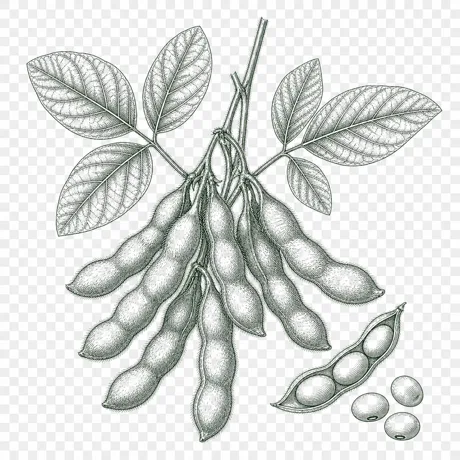
The pods are ready when they are bright green, plump, and filled so the beans bulge visibly, usually with two or three beans per pod. They should still feel soft, not hard, and should not have started to turn yellow. Sampling a pod or two is the surest test.
How to harvest
Hold the stem with one hand and pull each pod off with the other, or cut or pull the whole plant and strip the pods indoors. Because the pods carry a light fuzz that some people find irritating, wearing gloves or long sleeves can help.
Timing
Edamame typically matures about 80 to 90 days after sowing, ranging from roughly 70 to 100 days depending on variety and weather. Since most of the pods on a plant ripen close together, harvest usually happens over just one or two passes. Picking in the cool of the morning helps keep the pods crisp.
After the harvest
Cook or refrigerate the pods quickly, because they lose sweetness fast at room temperature. Rinse off any field dirt, then either boil or steam right away or chill the unwashed pods in the crisper drawer. Do not cure green edamame; unlike dry beans, the pods are meant to be eaten fresh or frozen soon after picking.
Tips
For a longer picking season, sow a few short rows every two to three weeks in early summer, or plant both an early and a later maturing variety. If you miss the green window, you can let those pods dry fully on the plant and harvest mature soybeans instead.
General guidance for US home gardens. Timing varies by variety and region; check your local frost dates. Page updated Sep 18, 2026.