
Edamame Crop Rotation
Edamame is a soybean, and rotating it keeps soilborne bean diseases and nematodes from building up while letting you take advantage of the nitrogen it leaves behind. Moving it to a fresh bed each year protects both this crop and the ones that follow.
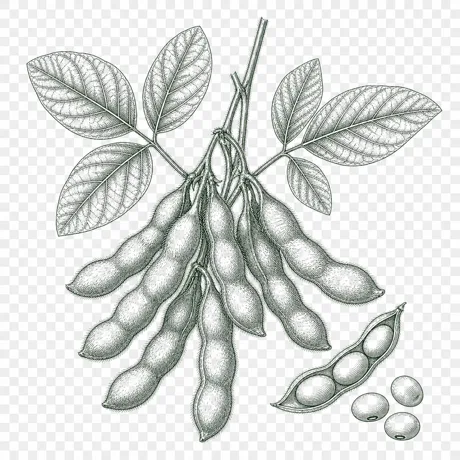
Plant family
Edamame belongs to the legume family (Fabaceae), along with its close relatives snap beans, dry beans, peas, cowpeas, lentils, and peanuts. These crops share many of the same pests and diseases, so they should be treated as one group when you plan a rotation.
Why rotate edamame
When edamame or other legumes grow in the same spot year after year, soilborne problems such as white mold (Sclerotinia), Fusarium and Rhizoctonia root rots, and soybean cyst and root-knot nematodes can build up in the soil. Pests like the Mexican bean beetle also linger in beds where their host crops keep returning. Rotating breaks these cycles because many of these organisms have no legume host to feed on once you move the crop away.
What to plant after
Edamame does well after heavy feeders such as corn, squash, tomatoes, or brassicas, since it can pull its own nitrogen from the air and does not need a rich, freshly fertilized bed. Following a heavy feeder also means edamame is not competing for the same nutrients those crops just used up. As a nitrogen-fixing legume, edamame in turn makes an excellent predecessor for the next year's heavy feeders, leaving the soil in better shape for leafy greens, corn, or squash.
What to avoid
Avoid planting edamame right before or after other legumes such as snap beans, dry beans, peas, cowpeas, or peanuts, because they share the same root rots, white mold, and nematodes that carry over in the soil. Planting these relatives back to back gives those problems a continuous host and lets them build to damaging levels. Give the legume group a break of at least a couple of years in any given bed.
Example rotation
A simple four-bed, four-year plan works well. Year 1 grow a heavy feeder like tomatoes or squash, Year 2 grow edamame or other legumes, Year 3 grow leafy or brassica crops such as lettuce, kale, or cabbage, and Year 4 grow root crops like carrots, beets, or onions. Each year every group shifts to the next bed, so edamame does not return to the same ground for four seasons.
Tips
Keep a simple garden map or notebook each year so you always know which family grew in each bed and can wait at least three years before legumes return to the same spot. Grouping crops by family into labeled beds makes the yearly shift easy, and a non-legume cover crop such as winter rye between plantings can add organic matter and further interrupt pest and disease cycles.
General guidance for US home gardens. Adapt to your own crops, soil, and space; your Cooperative Extension office can help with a plan for your area. Page updated Sep 18, 2026.