
Edamame Pests & Diseases
Edamame is a vegetable soybean, and because it belongs to the legume family it shares most pests and diseases with common beans and field soybeans. The biggest challenges for home gardeners are leaf-feeding beetles and pod-piercing stink bugs, along with fungal and bacterial leaf spots and root rots that flare up in wet, crowded plantings.
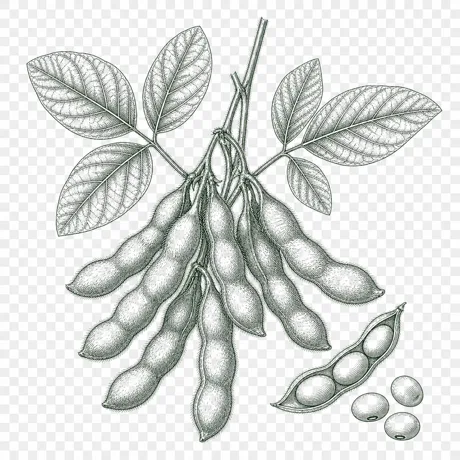
Common Edamame pests
Bean leaf beetles are reddish to tan with black spots and chew round holes in leaves and young pods, and they can also nick seedlings badly. Japanese beetles skeletonize leaves in mid to late summer, while the fuzzy yellow larvae of the Mexican bean beetle scrape the undersides of leaves until only a lace of veins remains. Soybean aphids are tiny pale green insects that cluster on growing tips and leaf undersides, causing curling, stunting, and sticky honeydew, and hot dry spells bring two-spotted spider mites that stipple leaves with fine yellow speckling and webbing. Green and brown marmorated stink bugs pierce filling pods and leave flat, shriveled, or discolored beans, and caterpillars such as green cloverworm and corn earworm chew leaves and pods; deer, rabbits, and groundhogs will also browse the tender foliage.
Common diseases
Bacterial blight shows as angular brown spots with yellow halos that often tear out to leave ragged holes, and it spreads fastest in cool, wet weather. Common fungal leaf diseases include Septoria brown spot, which starts as small dark specks on lower leaves, frogeye leaf spot with round gray centers ringed in reddish brown, downy mildew as pale fuzzy patches on leaf undersides, and powdery mildew as a white dusty coating in late season. White mold (Sclerotinia) produces fluffy white growth and water-soaked stem rot in dense, humid plantings, while root and stem rots such as Phytophthora, Rhizoctonia, and Fusarium cause wilting, yellowing, and dark lower stems in poorly drained soil. Viruses including soybean mosaic and bean pod mottle, spread by aphids and beetles, cause mottled, puckered, or distorted leaves and reduced pod set.
Prevention
Rotate edamame so it does not follow beans, peas, or soybeans for at least two to three years, since many pests and pathogens survive in soil and debris. Give plants full sun and generous spacing so leaves dry quickly, and choose disease-resistant varieties and clean, treated or reputable seed when available. Plant into warm, well-drained soil to avoid seedling root rots, water at the base in the morning rather than overhead, and avoid touching or harvesting plants while foliage is wet because that spreads bacterial and fungal diseases. Clean up and remove crop residue at the end of the season, and control legume weeds that host the same problems.
Organic control
Hand-pick bean leaf beetles, Japanese beetles, Mexican bean beetle larvae, and stink bugs in the cool morning and drop them into soapy water, and float lightweight row covers over seedlings when beetles are most active; because edamame is self-pollinating you can leave covers on longer, but lift them if heat builds up. Treat aphids and spider mites with a strong water spray or insecticidal soap or neem oil applied to leaf undersides, repeating as the label directs, and use a Bt (Bacillus thuringiensis kurstaki) product for young leaf-eating caterpillars. Encourage lady beetles, lacewings, and parasitic wasps by avoiding broad-spectrum sprays, and use yellow sticky traps to monitor aphids and whiteflies. For fungal leaf diseases, sulfur can help against powdery mildew and copper products can slow bacterial and some fungal spread if applied early as symptoms begin; always read and follow the product label for timing, rates, and safety.
Scouting & monitoring
Scout at least weekly and start at emergence, when bean leaf beetles attack seedlings and can spread viruses. Turn over leaves to check undersides for aphid colonies, spider mite speckling, and beetle egg masses, and watch growing tips for curling or distortion. During flowering and pod fill, inspect pods for stink bug feeding and caterpillar damage, and check lower leaves for the first small spots after rainy or humid stretches so you can act before disease climbs the plant.
Tips
Prevention does most of the work: rotate away from other legumes, space plants for airflow, and keep water off the leaves. Catch beetles and caterpillars early by hand-picking and row covers, and reach for insecticidal soap, neem, or Bt only when scouting shows you actually need them.
General home-garden IPM guidance, focused on prevention and least-toxic control. Always read and follow the product label for any pesticide, including organic products. Page updated Sep 19, 2026.