
Edamame Nutrition & Uses
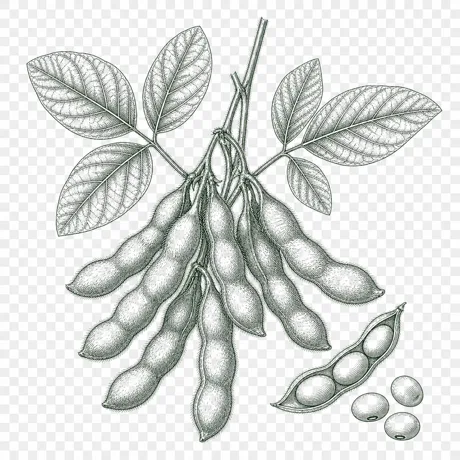
Edamame are immature soybeans harvested at the green stage, and they bring a mild, nutty, slightly sweet flavor to the table. According to USDA FoodData Central, they are a nutrient dense legume.
Nutritional profile
Per USDA FoodData Central, cooked edamame is high in water, provides a moderate number of calories, and contains plant protein and dietary fiber along with carbohydrates and some fat. It supplies vitamins such as folate and vitamin K, plus minerals including potassium, iron, magnesium, and manganese. Actual amounts vary with variety and preparation.
In the kitchen
The classic preparation is simple: boil or steam whole pods in salted water for a few minutes, then sprinkle with flaky salt and squeeze the beans out with your teeth. Shelled beans are great tossed into stir fries, fried rice, grain bowls, and salads, or blended into a bright green dip. They also work mashed into spreads or stirred into soups and noodle dishes.
Choosing & preparing
Choose pods that are firm, plump, and bright green with a slight fuzz, avoiding any that are yellowing, limp, or spotted. Pods that feel full along their length hold the biggest beans. From your own garden, pick when the pods are well filled but still green.
Flavor pairings
Edamame pairs naturally with salt, sesame, soy sauce, garlic, ginger, chili flakes, and citrus. It sits well alongside rice, noodles, grilled fish or chicken, and other summer vegetables like sweet corn and peppers.
Tips
Do not eat the fibrous pods themselves; they are there to hold and protect the beans inside. A pinch of coarse salt on warm, just cooked pods clings best and brings out the flavor.
General food-composition information based on USDA FoodData Central. This is not medical or dietary advice; for personal guidance, consult a registered dietitian or your doctor. Page updated Sep 18, 2026.