
How to Start Celery From Seed
Celery is slow to germinate and slow to grow, so it is best started indoors from seed. Its tiny seeds need light and consistent moisture to emerge evenly.
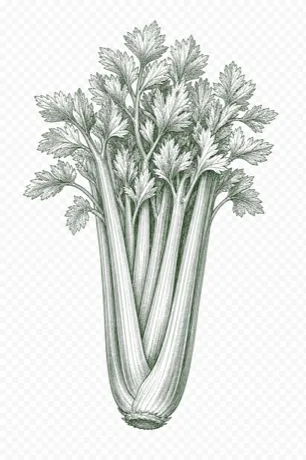
Start indoors or direct sow?
Start indoors and transplant because celery needs a long season and seedlings are too slow for most direct-sowing schedules. It tolerates transplanting well once it has grown into a sturdy young plant.
When to start Celery seeds
Start seeds indoors about 10 to 12 weeks before the last expected spring frost. Transplant around the last frost date or 1 to 2 weeks after it, once seedlings are established and conditions are not severely cold.
How to sow the seeds
Press seeds onto the surface of moist, sterile seed-starting mix in shallow cell packs or small pots, then barely cover them with vermiculite if desired. Use a humidity dome only until emergence, and keep the trays under bright light.
Germination
Celery often takes 14 to 21 days to germinate, and sometimes longer. Keep the mix consistently moist at about 70 to 75 F, but do not let it stay soggy.
Seedling care
After emergence, give seedlings bright grow light for 14 to 16 hours daily and keep moisture steady. Thin crowded seedlings, water from below when practical, and provide airflow to help prevent damping off.
Transplanting & hardening off
Harden celery off gradually over 7 to 10 days. Transplant after seedlings have several true leaves, spacing them into rich, moisture-retentive soil at the same depth they grew in their cells.
Tips
Do not bury celery seed deeply, because light helps germination. Label trays and be patient, since uneven or delayed emergence is common.
General seed-starting guidance for US home gardens; timing depends on your local frost dates and variety. Page updated Sep 18, 2026.