
Growing guide · Vegetable
How to Grow Celery
Days to maturity100 days
Spacing8 in
SeasonCool-season
Start indoors10 wk pre-frost
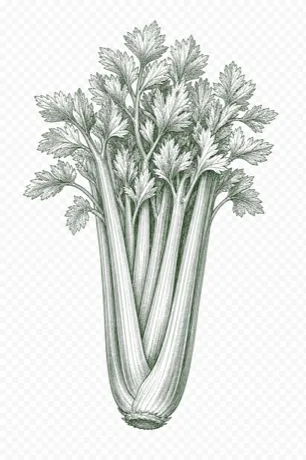
Celery (Apium graveolens var. dulce) is a cool-season biennial grown as an annual for its crisp, upright leaf stalks. Home gardeners across the US grow it for the fresh flavor and tender texture that store-bought bunches often lack, and because a homegrown crop can be picked stalk by stalk over many weeks. It rewards patience: celery is one of the longer-season, more demanding vegetables in the garden.
When and how to plant
Celery needs a long growing season, so start seeds indoors about 8 to 10 weeks before your last spring frost. Surface-sow the tiny seeds and press them into moist mix without burying them deeply, since they need light and warmth of roughly 70 to 75 degrees F to sprout, which can take two to three weeks. Harden off seedlings and transplant them outside after frost danger passes and nights stay above the mid-40s, spacing plants 8 to 10 inches apart in rows 18 to 24 inches apart. Choose a spot with full sun to light afternoon shade in warm regions, and plant in loose, deeply worked soil that is rich in organic matter and holds moisture well.
Care
Celery has shallow roots and demands steady, even moisture, so water regularly to keep the soil consistently damp but never waterlogged, aiming for about an inch or more per week. Mulch around the plants to conserve moisture, moderate soil temperature, and suppress weeds, which compete strongly with the shallow root system. Celery is a heavy feeder, so work plenty of compost or aged organic matter into the bed before planting and side-dress with additional compost during the season to sustain vigorous growth. If you prefer paler, milder stalks, blanch the plants a couple of weeks before harvest by wrapping the stalks or mounding soil around them to block light, keeping the growing tips exposed.
Common problems
Common pests include aphids, which cluster on new growth, and the larvae of leaf miners and celery leaftiers that chew or tunnel the foliage; handpicking, row covers, and encouraging beneficial insects help keep them in check. Leaf blights and pink rot are the main diseases, and they spread fastest in crowded, wet conditions, so provide good spacing and air movement, avoid overhead watering late in the day, and rotate away from carrot-family crops for a few years. Blackheart, a browning of the inner stalks, is a disorder caused by uneven watering and calcium not reaching the fast-growing tissue, and it is best prevented by keeping soil moisture steady.
Harvest
Celery is usually ready 100 to 130 days after transplanting, when the stalks are 8 inches or more of usable length and still firm and tight. You can cut the whole plant at the base, or harvest the outer stalks a few at a time and let the center keep growing for a longer picking window. Store harvested celery unwashed in the refrigerator, where it keeps crisp for two to several weeks; standing cut stalks in a little water or wrapping the bunch helps it last.
Growing Celery in containers
Celery is suitable for containers if it receives steady moisture and a long cool growing season. Use a container at least 12 inches deep and wide for one plant, with drainage and compost-rich potting mix. Never let the soil dry out, feed every two to three weeks with a balanced liquid fertilizer, and look for compact self-blanching varieties.
Watering & feeding Celery
Supply roughly 1.5 to 2 inches of water per week, more during hot or windy weather, keeping the soil consistently moist. Celery is a very thirsty crop and performs poorly when it experiences drought stress. Water slowly and frequently at the base, especially in raised beds or containers, rather than allowing the bed to dry between deep soakings. Use mulch to hold moisture, and water in the morning to limit prolonged wet foliage. Wilting, stringy stalks, and slow growth suggest too little water, while sour-smelling or saturated soil points to overwatering.
Celery is a heavy feeder and needs deep, moisture-retentive soil enriched with finished compost before planting. Nitrogen is important for foliage and stalk growth, with potassium and calcium also supporting strong plant growth. Feed at planting with compost and a suitable vegetable fertilizer based on a soil test, then side-dress or use a diluted organic liquid feed every few weeks during active growth. Maintain moderate, steady fertility instead of giving one large dose. Avoid overapplying nitrogen, which can create lush but weak growth and nutrient imbalance. Check soil moisture several inches down every day or two during warm weather. A soaker hose or drip line is especially useful because celery needs dependable moisture at its roots.
Saving Celery seeds
Open-pollinated celery can come true from seed, but F1 hybrid seed will not, and celery can cross with nearby compatible celery types. Celery is biennial, so overwinter vigorous plants or lift and replant them after cold exposure, then allow the second-year flower umbels to brown and dry. Cut dry umbels, finish drying them indoors, rub out the tiny seeds, and store them sealed in a cool, dark, dry place. Celery seed is relatively short-lived, usually best within 1 to 2 years.
Celery companion plants
Grow celery with onions, leeks, bush beans, and lettuce. Alliums can help diversify the bed, beans can contribute nitrogen, and lettuce can occupy nearby space without competing heavily once celery is established. Avoid crowding celery with large, thirsty crops or dense brassicas, because celery needs consistently moist, fertile soil and good airflow; strongly proven crop-specific incompatibilities are limited.
When to plant Celery near you
Get the exact start-indoors, transplant, and fall planting dates for Celery at your location.
Frequently asked questions about Celery
When should I plant celery?
Celery is usually started indoors and transplanted outside in spring after frost danger is low. It grows best in cool weather and struggles in heat or drought.
How long does celery take to grow?
Celery often takes about 85 to 120 days from transplanting, depending on the variety and conditions. It is one of the slower garden vegetables.
How much sun does celery need?
Celery grows best in full sun, but in hot regions it benefits from some afternoon shade. Consistent moisture is just as important as light.
Why is my celery thin or stringy?
Thin stringy celery usually comes from uneven watering, poor fertility, crowding, or heat stress. Celery needs rich soil and steady moisture from start to finish.
Can I grow celery in containers?
Yes, if the container is large, fertile, and kept consistently moist. Container celery dries out quickly, so it needs close attention.
General guidance for US home gardens. Reference figures are typical values; your exact timing depends on your local frost dates and variety. Page updated Sep 19, 2026.