
Celery Crop Rotation
Celery is a hungry, slow-growing crop that stays in the same bed for many months, so rotating it away from where its relatives grew keeps shared soil pests and diseases from building up. Good rotation also helps keep the rich, evenly moist soil that celery depends on in better shape from season to season.
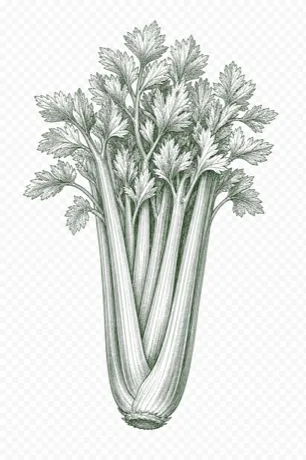
Plant family
Celery belongs to the carrot family (Apiaceae, also called the umbellifers). Its close relatives that share many of the same pests and diseases include carrots, parsley, parsnips, celeriac, fennel, dill, cilantro (coriander), and Queen Anne's lace.
Why rotate celery
When celery or its carrot-family cousins return to the same spot year after year, soilborne troubles gain a foothold, including fusarium yellows, sclerotinia (white mold or pink rot), and fungal leaf blights such as cercospora and septoria that overwinter on crop debris. Pests like the carrot rust fly and aster leafhoppers that spread aster yellows also concentrate where the family is grown repeatedly. On top of that, celery is a heavy feeder that draws down nitrogen and potassium, so replanting it in the same bed steadily depletes fertility and organic matter.
What to plant after
Celery does well following legumes such as bush beans, peas, or a clover cover crop, because these nitrogen-fixing plants leave the soil richer in nitrogen for this heavy feeder. It also fits nicely after brassicas like cabbage or broccoli, or after any bed that was generously amended with compost or aged manure, since celery rewards loose, fertile, moisture-holding ground.
What to avoid
Do not plant celery right before or after other carrot-family crops such as carrots, parsley, parsnips, celeriac, fennel, or dill, because they trade the same diseases and pests and let them accumulate. It is also best not to follow another very heavy feeder that leaves the soil worn down, since celery needs plenty of nutrients and steady moisture to size up well.
Example rotation
A simple four-year, four-bed plan could run like this: Year 1 grow peas or bush beans (legumes) to build nitrogen, Year 2 plant celery in that enriched bed, Year 3 follow with a fruiting crop such as tomatoes or squash, and Year 4 grow a leafy or brassica crop like lettuce or cabbage. Each year every crop shifts one bed over, so celery and its carrot-family relatives only come back to a given bed once every four seasons.
Tips
Keep a simple garden map or notebook each year so you can see where celery and every other umbellifer grew and wait at least three years before the family returns to the same bed. Sowing a legume or grassy cover crop in the off-season is an easy way to rebuild the nitrogen and organic matter that this heavy feeder uses up.
General guidance for US home gardens. Adapt to your own crops, soil, and space; your Cooperative Extension office can help with a plan for your area. Page updated Sep 18, 2026.