
Peanuts Nutrition & Uses
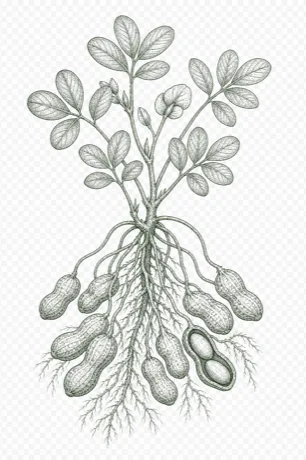
Peanuts are technically a legume rather than a true nut, and they are one of the more calorie-dense crops a home gardener can grow. The composition below is general and drawn from USDA FoodData Central.
Nutritional profile
According to USDA FoodData Central, peanuts are energy-dense and relatively low in water, with a notable amount of dietary fiber, plant protein, and fats. They contain B vitamins such as niacin, folate, and thiamin, along with vitamin E, and supply minerals including magnesium, phosphorus, potassium, manganese, and copper. This is a general description of composition only.
In the kitchen
Peanuts are eaten raw, roasted, or boiled, and they are the base for homemade peanut butter and peanut brittle. In the South, fresh green peanuts are simmered in salted, spiced water to make boiled peanuts, a classic roadside snack. Dry-roasted peanuts add crunch to salads and stir-fries, ground peanuts thicken West African and Southeast Asian sauces and stews, and peanut flour works in baked goods and coatings.
Choosing & preparing
For roasting or storing, choose raw peanuts in firm, unbroken shells that feel heavy and rattle only slightly. For boiling, look for freshly dug green peanuts with pliable, undamaged shells. Avoid shells that are cracked, moldy, or that smell musty.
Flavor pairings
Peanuts pair naturally with chocolate, honey, and salt in snacks and candies, and with chili, lime, garlic, ginger, and soy in savory dishes. They complement chicken, pork, shrimp, and noodles in Asian-style sauces, and add texture to slaws, grain bowls, and roasted vegetables.
Tips
Roast raw peanuts in a single layer in a moderate oven and stir occasionally for even color. Be mindful that peanuts are a common food allergen, so label homemade snacks clearly when sharing.
General food-composition information based on USDA FoodData Central. This is not medical or dietary advice; for personal guidance, consult a registered dietitian or your doctor. Page updated Sep 18, 2026.