
How to Start Peanuts From Seed
Peanuts need warm soil and a long, frost-free growing season to produce well. Use raw, shelled seed peanuts intended for planting, not roasted or salted grocery-store peanuts.
Start indoors or direct sow?
Direct sow peanuts because they develop a taproot and do best with little root disturbance. In short-season areas, they can be started indoors briefly in biodegradable pots, but direct sowing is preferred.
When to start Peanuts seeds
Direct sow 2 to 4 weeks after the last spring frost, once soil is consistently at least 65°F. Where summers are short, start indoors 4 to 6 weeks before the last frost and transplant only after soil is warm.
How to sow the seeds
Sow shelled seeds 1 to 2 inches deep in loose, sandy or sandy-loam soil with good drainage. For indoor starts, use a sterile seed-starting mix in deep biodegradable pots, planting one seed per pot and keeping it warm.
Germination
Peanuts commonly germinate in 5 to 15 days when soil is about 70 to 90°F. Keep the medium evenly moist, never waterlogged, until seedlings emerge.
Seedling care
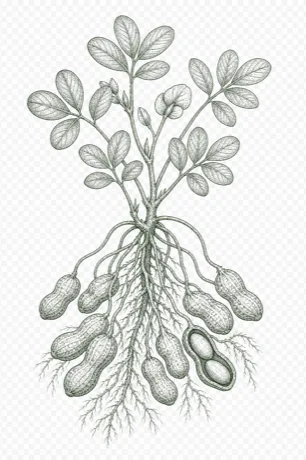
Provide full sun and steady moisture, especially during flowering and while pegs enter the soil. Keep the soil loose and weed-free, and avoid heavy mulch or cultivation that interferes with pegging.
Transplanting & hardening off
If started indoors, harden plants off for 7 to 10 days and transplant after all frost risk has passed and soil is warm. Plant the biodegradable pot intact at the same depth, handling the roots as little as possible.
Tips
Choose an early-maturing variety if your growing season is under about 120 frost-free days. Do not hill soil over plants, but keep the surface loose so the pegs can enter easily.
General seed-starting guidance for US home gardens; timing depends on your local frost dates and variety. Page updated Sep 18, 2026.