
Peanuts Pests & Diseases
Because peanut pods develop underground, this legume faces a mix of foliage feeders above ground and pod and stem pests below, along with a heavy fungal disease load in warm, humid weather. The biggest home-garden challenges are early and late leaf spot, southern stem rot (white mold), and thrips that spread tomato spotted wilt virus.
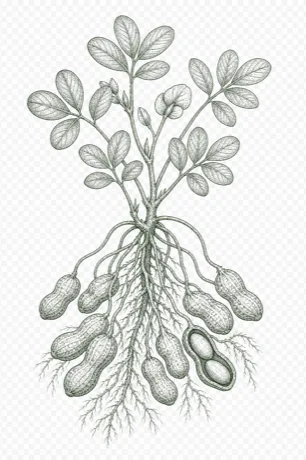
Common Peanuts pests
Thrips are the key early pest, scarring and silvering new leaflets and, more importantly, spreading tomato spotted wilt virus. Potato leafhoppers cause hopperburn, a yellowing and browning of leaf margins, while several caterpillars feed on foliage, including corn earworm, fall armyworm, velvetbean caterpillar, and soybean looper. Below ground, the lesser cornstalk borer tunnels into stems and pods in hot, dry, sandy soil (look for silken tubes near the crown), and southern corn rootworm larvae (spotted cucumber beetle larvae) chew pegs and developing pods. Aphids and twospotted spider mites appear in hot, dry spells, and animals such as deer browse foliage while voles, skunks, and raccoons dig up maturing pods.
Common diseases
Early leaf spot and late leaf spot are the most common diseases, showing as dark brown to black spots, often with yellow halos, that start on lower leaves and cause defoliation as they climb the plant. Southern stem rot, or white mold (Sclerotium rolfsii), produces white cottony growth and tan, mustard-seed-sized sclerotia at the soil line, wilting and killing branches. Peanut rust forms orange pustules on leaf undersides, and Sclerotinia blight causes water-soaked stem lesions with cottony growth in cooler, wet seasons. Tomato spotted wilt virus, spread by thrips, causes ring spots, chlorotic mottling, stunting, and deformed pods, and various soil fungi (Pythium, Rhizoctonia, Aspergillus) can cause pod rots and molds that lower seed quality.
Prevention
Rotate peanuts on a three to four year cycle and avoid planting after other legumes or leaf-spot hosts, and always start with certified, disease-free seed and spotted-wilt-resistant or leaf-spot-tolerant varieties where available. Grow in well-drained sandy loam with adequate spacing so the canopy dries quickly, and add calcium (such as gypsum) at flowering to support pod fill and reduce pod rot. Water at the base with drip or soaker hoses in the morning, and avoid working among plants while the foliage is wet. After harvest, deep-bury or remove crop debris, since leaf spot and white mold survive on residue in the soil.
Organic control
Lead with prevention and least-toxic tools. Hand-pick or knock off caterpillars, and treat young larvae with Bacillus thuringiensis (Bt kurstaki); use insecticidal soap or neem oil on the undersides of leaves at the first sign of aphids, mites, or thrips, applied early and in the cool of the day. Reflective or straw mulch and floating row covers early in the season help deter thrips and aphids (remove covers at flowering so pegs can enter the soil), and beneficial insects such as lady beetles, lacewings, minute pirate bugs, and parasitic wasps keep many pests in check. Apply sulfur or copper preventively for leaf spot and rust when conditions favor disease, promptly remove and destroy white-mold plants, and consider beneficial nematodes for soil-dwelling pests, always reading and following the product label for what is allowed and how to apply it.
Scouting & monitoring
Scout at least weekly and check the whole plant. Early in the season, watch new growth for thrips scarring and spotted wilt symptoms (ring spots and stunting) and leaf margins for leafhopper hopperburn. From midseason on, inspect lower and inner leaves first for the earliest leaf spots, look for defoliation from caterpillars, check leaf undersides for mite stippling in hot, dry weather, and part the canopy at the soil line to catch white mold during warm, humid stretches. Late in the season, monitor for pod rots and signs of animals digging at the rows.
Tips
Remember that leaf spot begins on the lowest leaves and moves upward, so scout the bottom of the canopy early and rotate plus bury debris to break the disease cycle. Keep foliage dry, space for airflow, and choose a spotted-wilt-resistant variety, since these cultural steps prevent far more damage than any spray can cure.
General home-garden IPM guidance, focused on prevention and least-toxic control. Always read and follow the product label for any pesticide, including organic products. Page updated Sep 19, 2026.