
Growing guide · Vegetable
How to Grow Peanuts
Days to maturity120 days
Spacing8 in
SeasonWarm-season
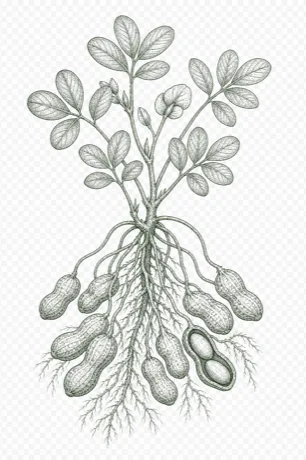
Peanuts are a fun, slightly novel crop that reward patient gardeners with a long, warm growing season, and they are a Southern staple from Virginia to Texas. The plant flowers above ground, then pushes slender stalks called pegs down into the soil where the pods actually form and ripen underground. The best moment comes at harvest, when you pull up the whole plant and find dozens of shells dangling from the roots like hidden treasure. Home gardeners in warmer regions grow them for fresh boiling peanuts and for roasting their own snacks.
When and how to plant
Peanuts are a warm-season, frost-tender crop that needs 100 to 150 frost-free days, so they suit the South and other regions with long hot summers. Direct sow shelled raw seeds about 2 weeks after your last spring frost, once soil has warmed to roughly 65 to 70 degrees F, planting seeds 1 to 2 inches deep. Choose a spot in full sun with loose, sandy or well-drained loam, since heavy clay makes it hard for the pegs to enter the soil and for you to dig later. Work in some organic matter and keep the bed weed-free and un-compacted.
Care
Give peanuts steady, even moisture of about 1 inch of water per week, and pay special attention during flowering and pegging when the pods are forming. They fix much of their own nitrogen, so avoid high-nitrogen fertilizer, which favors leaves over pods; a light dose of calcium, such as gypsum, at flowering helps large-seeded Virginia types fill out. Space plants about 8 inches apart in rows 24 to 36 inches wide, and gently hill loose soil around the base to make it easy for pegs to reach the ground. Keep the surrounding soil crumbly and never let it crust over.
Common problems
Common issues include early and late leaf spot, southern blight, and root-knot nematodes, along with insect pests such as thrips, aphids, and potato leafhoppers. Rotate peanuts away from other legumes and away from tomatoes and potatoes on a three-year cycle, and plant in well-drained soil to limit soilborne fungi. Water at the base rather than overhead to keep foliage dry, and remove and discard any badly infected plants. Choosing certified disease-free seed and cleaning up plant debris each fall reduces carryover.
Harvest
Peanuts are usually ready 100 to 150 days after planting, depending on the type, often signaled when the foliage begins to yellow in late summer or fall. Because the pods are underground, dig a test plant first and check that the shells are firm and well-veined with a dark, colored inner shell. To harvest, loosen the soil with a garden fork and pull up the entire plant, shaking off loose dirt so the pods stay attached. Harvest before the first hard frost, and pick early if you want tender green peanuts for boiling.
Growing Peanuts in containers
Peanuts can be grown in containers if the pot is wide and deep enough for pegs to enter loose soil. Use a container at least 18 inches deep and 18 to 24 inches wide, with drainage holes and a loose, sandy potting mix. Keep the soil evenly moist but never soggy, feed lightly with a low-nitrogen fertilizer, and choose an early-maturing variety in regions with shorter summers.
Watering & feeding Peanuts
Provide around 1 to 1.5 inches of water per week from rain and irrigation, with reliable moisture during pod development. Peanuts are moderately drought tolerant once established, but extended drought reduces pod fill. Water deeply and keep the soil loose and moderately moist, not waterlogged, so pegs can enter the soil and pods can develop. Use mulch lightly if needed to conserve moisture, water in the morning at the base, and look for wilting in dry soil or yellowing and poor growth in saturated soil.
Peanuts are light to moderate feeders and need very little added nitrogen. Prepare the bed with compost and use a soil test to address phosphorus, potassium, calcium, and soil pH before planting. Make needed soil amendments before planting because later cultivation can disturb developing pegs and pods. Avoid nitrogen-heavy fertilizer during the season, and do not side-dress unless a soil test shows a clear need. Keep soil friable and avoid deep cultivation after plants begin to flower. Reduce irrigation as harvest approaches if the soil is already moist, so pods can mature without sitting in wet ground.
Saving Peanuts seeds
Save peanuts from open-pollinated or heirloom varieties, since F1 hybrids do not come true from seed. Dig plants after the foliage yellows, cure the attached pods for roughly 1 to 2 weeks in a warm, airy, frost-free place, then remove the pods. Keep seed peanuts in their shells until planting when possible, and store them cool, dry, and protected from rodents. Peanut seed is best used within 1 year, though carefully stored seed can sometimes remain viable for about 2 years.
Peanuts companion plants
Grow peanuts beside upright, well-spaced crops such as corn or okra only when they will not shade the peanut bed. Peanuts are legumes and can fix nitrogen, while a light planting of sweet alyssum at the bed edge can support pollinators and predatory insects without competing heavily. Avoid close planting with tall, dense crops or aggressive vines because peanuts need full sun and room to peg into bare soil, and avoid packing them with other legumes that can concentrate shared pests.
When to plant Peanuts near you
Get the exact start-indoors, transplant, and fall planting dates for Peanuts at your location.
Frequently asked questions about Peanuts
When should I plant peanuts?
Plant peanuts in late spring after the last frost has passed and the soil has warmed to about 65 to 70 degrees Fahrenheit, usually from April to June depending on your region. Peanuts need a long, warm growing season, so southern gardeners have the easiest time, while northern gardeners should start with an early-maturing variety.
How long do peanuts take to grow?
Most peanuts need roughly 100 to 150 days from planting to harvest, depending on the variety. Spanish and Valencia types tend to mature faster, while Virginia and runner types take longer.
How much sun do peanuts need?
Peanuts are a warm-season crop that needs full sun, meaning at least 6 to 8 hours of direct sunlight per day. A spot with loose, sandy, well-drained soil in the sunniest part of your garden gives the best results.
How far apart should I space peanut plants?
Space peanut plants about 6 to 8 inches apart within a row, with rows roughly 2 to 3 feet apart. Plant seeds about 1 to 2 inches deep so the pegs can easily reach down into loose soil to form pods.
Can I grow peanuts in containers?
Yes, peanuts can grow in containers if the pot is wide and deep, ideally at least 12 to 18 inches across, so the flower pegs have loose soil to push into and develop pods. Use a light, sandy potting mix, keep the container in full sun, and expect a smaller harvest than in the ground.
How do I know when peanuts are ready to harvest?
Harvest when the plant leaves start to yellow and the season is near its end, typically after the days-to-maturity for your variety has passed. To check, dig up one plant and open a few pods, the inside of the shells should show darkened veins and the kernels should fill the shell. After digging, cure the plants in a warm, dry, airy spot for one to two weeks.
General guidance for US home gardens. Reference figures are typical values; your exact timing depends on your local frost dates and variety. Page updated Sep 19, 2026.