
Parsley Nutrition & Uses
Parsley is a versatile herb with a fresh, clean flavor that appears in a wide range of US savory cooking. It is used as both a finishing herb and a main ingredient in sauces, salads, and herb mixes.
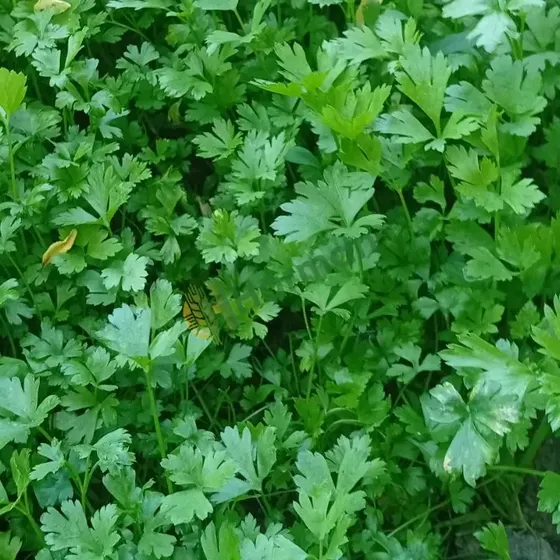
Nutritional profile
According to USDA FoodData Central, fresh parsley contains water, small amounts of carbohydrate and fiber, and vitamins and minerals such as vitamin K, vitamin C, and vitamin A compounds. Since parsley is often used in small amounts, the nutrient contribution per serving is usually modest unless it is used in a large herb salad.
In the kitchen
Parsley can be chopped fresh over grilled meats, stirred into soups, blended into sauces, or used generously in salads. It is common in tabbouleh, chimichurri, gremolata, compound butter, and breadcrumb toppings.
Choosing & preparing
Choose bunches with bright green leaves and firm stems. Avoid yellowing, wilted, slimy, or bruised herbs.
Flavor pairings
Parsley pairs well with lemon, garlic, capers, olive oil, butter, potatoes, grains, beans, fish, chicken, and eggs. It also combines easily with dill, mint, cilantro, and chives.
Tips
Use tender stems along with the leaves for less waste and extra flavor. Chop parsley just before serving to keep its color fresh.
General food-composition information based on USDA FoodData Central. This is not medical or dietary advice; for personal guidance, consult a registered dietitian or your doctor. Page updated Sep 19, 2026.