
The Cost of Growing Parsley
Parsley is a dependable herb that fits almost every direct-market sales channel, though it usually attracts less excitement than basil or cilantro. Its strength is steady demand, decent shelf life, and usefulness as both a bunching herb and a filler for CSA shares.
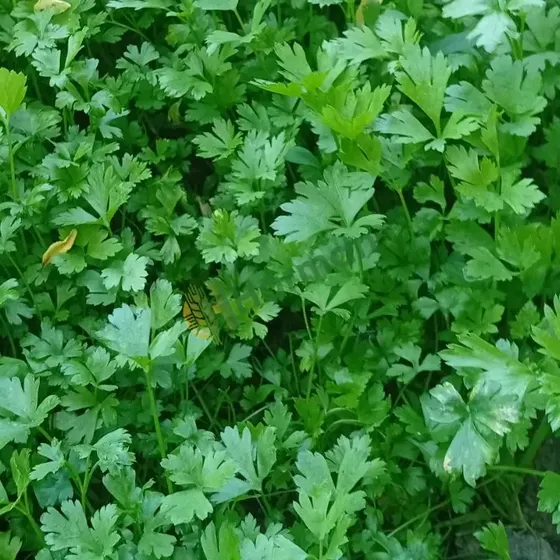
Startup costs
Startup costs are low to moderate. Seed or transplants, bed prep, irrigation, and basic bunching supplies are the main needs. Germination can be slow, so establishment attention matters. Wash-pack is straightforward, and protected culture can help early or late production.
Ongoing costs
Ongoing costs include planting, weed control, repeated harvest, washing, bunching, and cooling. Labor is moderate and spread over multiple cuts if stands stay healthy. Fertility and irrigation support continued regrowth.
Yield & how it sells
Parsley is sold by bunch or bag, and sometimes in larger volumes to restaurants. It can be productive over multiple harvests and has better holding ability than some herbs. Value per area is usually solid but not exceptional.
What makes it profitable
Parsley is generally a moderate-margin herb crop. It sells well at farmers markets, CSA shares, restaurants, and local retail because demand is broad and steady. It is often a reliable supporting crop rather than a premium standout.
Financial risks
Risks include slow germination, weed pressure during establishment, yellowing from stress, and lower unit value than top specialty herbs. If bunches are coarse or tired-looking, sell-through slows. Repeated harvest also requires disciplined bed maintenance.
Tips to improve returns
Use parsley for consistency in your herb lineup, not just for occasional sales. Keep bunches youthful and clean rather than oversized and coarse. Work with your local Cooperative Extension and Small Business Development Center to estimate cut frequency, labor, and how parsley supports overall herb sales.
General planning information, not financial or investment advice, and not a guarantee of profit. For real budgets, work with your Cooperative Extension office and local Small Business Development Center. Page updated Sep 18, 2026.