
Growing guide · Herb
How to Grow Parsley
Days to maturity75 days
Spacing8 in
SeasonCool-season
Start indoors8 wk pre-frost
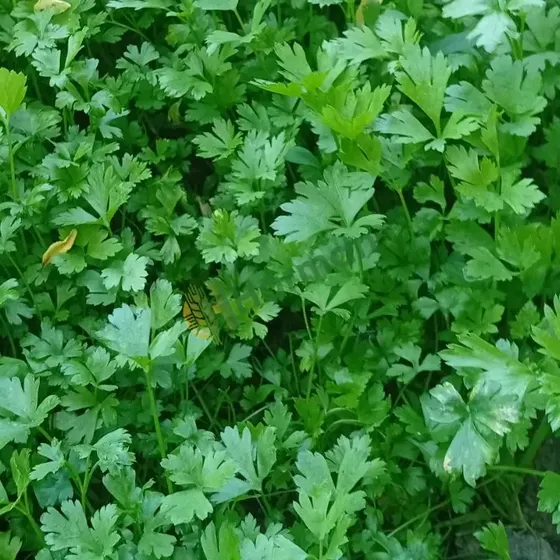
Parsley (Petroselinum crispum) is a hardy, cool-season herb valued for its fresh, clean flavor and bright green leaves, which come in curly and flat-leaf (Italian) types. Though botanically a biennial that flowers in its second year, most US home gardeners grow it as an annual for a steady supply of leaves. It is popular because it thrives in gardens and containers alike, tolerates light frost, and is easy to snip fresh through much of the growing season.
When and how to plant
Parsley is usually started from seed or set out as young transplants, and it grows best in full sun to light shade in moist, fertile, well-drained soil. The seed germinates slowly and unevenly, often taking two to four weeks, so soaking seed overnight and keeping the soil consistently moist helps speed things along. In most regions, sow or transplant in early spring a few weeks before the last frost, since the plants tolerate cool weather; gardeners in mild-winter areas can also plant in fall. Space plants about 8 to 12 inches apart, and if direct-seeding, thin seedlings to that spacing once they are a couple of inches tall.
Care
Keep the soil evenly moist, watering deeply when the top inch begins to dry out, since parsley does not like to dry out completely. A light feeding early in the season and again midseason supports steady leaf growth, and a layer of organic mulch around the plants helps hold moisture and keep down weeds. Because parsley is grown for its leaves, pinch off any flower stalks that begin to form to keep the plant producing tender foliage rather than going to seed. In its second year the plant will naturally bolt and flower, so many gardeners simply replant fresh each spring.
Common problems
Parsley is generally trouble-free, but it can host the larvae of black swallowtail butterflies (sometimes called parsleyworms), along with aphids and occasional leaf-spot or crown-rot diseases in wet, crowded conditions. Good air circulation from proper spacing, watering at the base rather than overhead, and rotating where you plant it each year help prevent most disease problems. Handpicking the large green caterpillars is usually enough to manage them, and many gardeners leave a few plants for the butterflies since the damage is often minor.
Harvest
Begin harvesting once plants are well established and have several sets of full-size leaves, cutting the outer stems at the base so the center keeps producing. Regular cutting encourages new growth, and leaves are most flavorful when picked in the cool of the morning. Use parsley fresh for the best flavor, store cut stems in the refrigerator for up to a week or so, and freeze or dry the extra for longer keeping.
Growing Parsley in containers
Parsley grows reliably in containers and is well suited to a patio or windowsill with strong light. Use a pot at least 8 inches deep with drainage and fertile potting mix, since its taproot benefits from depth. Keep the mix evenly moist, feed lightly every four to six weeks, and choose compact curly or Italian flat-leaf parsley.
Watering & feeding Parsley
Provide about 1 inch of water per week, increasing in heat or for container plants. Parsley has average water needs and does not tolerate repeated drying well. Water deeply at the base when the top inch of soil starts to dry, and use mulch to hold moisture. Morning watering helps foliage dry, while wilting and dry soil indicate underwatering and yellowing in wet soil can indicate overwatering.
Parsley is a moderate feeder that benefits from compost-rich, well-drained soil before planting. It needs balanced nutrition, with modest nitrogen supporting leafy growth. Feed at planting in poor soil, then apply a light side-dressing or compost during the season if repeated harvesting slows growth. Avoid heavy nitrogen feeding, which is rarely needed in fertile garden soil. Keep moisture even during the first weeks after planting, when parsley is establishing roots. Harvest outer stems rather than cutting the center crown.
Saving Parsley seeds
Open-pollinated or heirloom parsley can come true from seed, while F1 hybrid seed will not, though insect pollination can cause crossing among nearby parsley varieties. Parsley is biennial, so keep vigorous plants through winter and let them flower during their second season. Harvest the umbels when seeds turn brown and begin to dry, then finish drying indoors and rub or shake out the seed. Store dry seed cool and dark, and expect roughly 2 to 3 years of good viability.
Parsley companion plants
Grow parsley with tomatoes, asparagus, chives, and carrots. Parsley flowers attract hoverflies, parasitic wasps, and other beneficial insects, while its compact plants fit as an edge planting around larger crops. Avoid placing parsley in dense shade under vigorous crops or in a crowded bed, because it needs steady moisture and good airflow; specific plants to avoid are less firmly established than its beneficial-insect role.
When to plant Parsley near you
Get the exact start-indoors, transplant, and fall planting dates for Parsley at your location.
Frequently asked questions about Parsley
When should I plant parsley?
Plant parsley in spring in most regions, or in fall in mild climates. It prefers cool to mild weather and can handle light frost.
How long does parsley take to grow?
Parsley is slow to start and often takes 70 to 90 days to reach full harvest size from seed. Seed germination alone can take a few weeks.
Does parsley need full sun or shade?
Parsley grows best in full sun to part shade. In hotter parts of the US, afternoon shade can help keep it productive longer.
Why is my parsley not germinating?
Parsley seed germinates slowly and unevenly, especially in cool or dry soil. Keep the seedbed consistently moist and be patient.
Can parsley grow in containers?
Yes, parsley grows well in containers with rich well-drained soil and steady moisture. A deeper pot helps support better root growth.
General guidance for US home gardens. Reference figures are typical values; your exact timing depends on your local frost dates and variety. Page updated Sep 18, 2026.