
Oregano Nutrition & Uses
Oregano is a bold, savory herb with a warm, slightly peppery flavor. In US kitchens, it is used in small amounts in pizza sauce, pasta dishes, grilled meats, beans, and vinaigrettes.
Nutritional profile
According to USDA FoodData Central, fresh oregano is low in calories and provides small amounts of fiber, vitamin K, and minerals such as manganese. Oregano is generally used as a seasoning in small amounts, so the nutritional contribution per serving is limited.
In the kitchen
Oregano can be used fresh or dried in tomato sauces, marinades, roasted vegetables, and grilled chicken or lamb. It is also common in Greek-style salads, pizza, bean dishes, and herb rubs.
Choosing & preparing
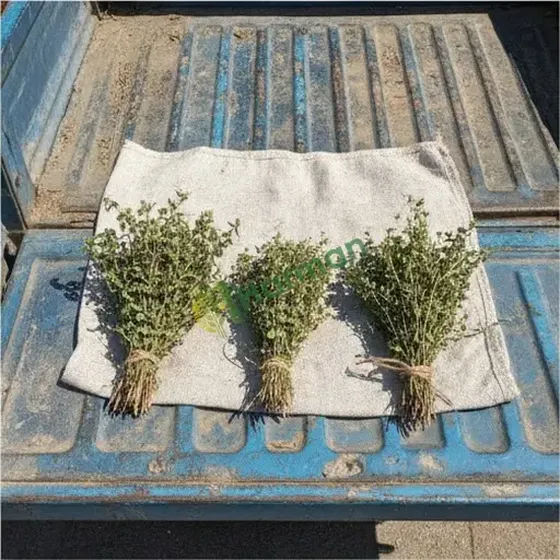
Choose sprigs with fresh-looking green leaves and a strong aroma. Avoid herbs that are limp, blackened, or overly dry unless buying intentionally dried oregano.
Flavor pairings
Oregano pairs well with tomatoes, garlic, lemon, olive oil, feta, olives, eggplant, beans, and grilled meats. It also works with peppers, zucchini, and red wine vinegar.
Tips
Dried oregano is often stronger and more concentrated than fresh, so adjust amounts accordingly. Rub dried leaves between your fingers before adding them to release more aroma.
General food-composition information based on USDA FoodData Central. This is not medical or dietary advice; for personal guidance, consult a registered dietitian or your doctor. Page updated Sep 19, 2026.