
Growing guide · Herb
How to Grow Oregano
Days to maturity85 days
Spacing12 in
SeasonCool-season
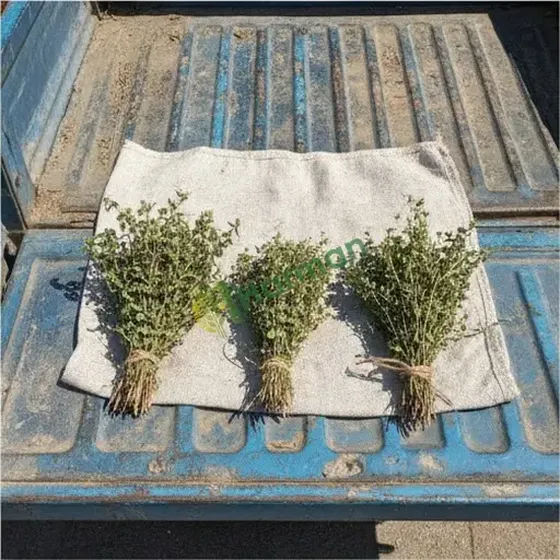
Oregano (Origanum vulgare, with Greek oregano the most flavorful type) is a low, spreading perennial herb in the mint family, prized for the warm, peppery leaves used in Italian, Greek, and Mexican cooking. Home gardeners across most of the United States grow it because it is cold hardy in roughly USDA zones 5 through 10, comes back on its own each spring, and thrives on neglect once established. A single plant quickly forms a fragrant, ground-hugging mat that also draws bees and other pollinators when it flowers.
When and how to plant
Plant oregano in full sun, at least six to eight hours a day, in loose, well-drained soil of average fertility; heavy clay and soggy ground are the main things it will not tolerate. Set out nursery transplants or divisions after the last spring frost, spacing plants about 10 to 12 inches apart since each one spreads to fill a foot or more of ground over time. You can start it from seed indoors six to eight weeks before the last frost, but pressing the tiny seeds onto the surface without covering them and keeping them warm and lightly moist is needed because they need light to sprout and germinate slowly. Because it is a hardy perennial that comes back for years, pick a permanent spot, or grow it in a wide container where its spreading roots stay contained.
Care
Water new plants regularly until they are established, then water only during extended dry spells, since oregano is drought tolerant and rots in constantly wet soil. It needs little feeding; overly rich soil or heavy feeding produces lush growth with weaker flavor, so hold back and let the plant grow lean. A thin layer of light mulch such as gravel or coarse compost helps keep the crown dry and suppresses weeds, but keep mulch pulled back from the stems. Shear the plants back by about a third once or twice through the season to keep them bushy, divide crowded clumps every three or four years in spring, and cut the mat back after frost or leave the stems for winter cover in cold regions.
Common problems
Oregano has few serious pests, though aphids, spider mites, and occasionally leafhoppers may appear, and root or crown rot is the most common problem where drainage is poor. Fungal leaf spots and powdery mildew can show up on plants that are crowded or stay damp. Prevent most trouble by giving plants full sun, spacing them for good air movement, avoiding overhead watering late in the day, and dividing thick clumps so air can reach the center.
Harvest
Begin harvesting once plants are several inches tall, snipping sprigs as needed, though flavor is strongest just before the flower buds open in early summer. Cut stems in the morning after the dew dries, and take no more than about a third of the plant at one time so it can regrow. Use the leaves fresh, or dry the sprigs in a warm, airy spot out of direct sun and store the crumbled leaves in an airtight jar, where they hold their flavor for many months.
Growing Oregano in containers
Oregano is well suited to containers and will spill attractively over pot edges. Use a pot at least 10 to 12 inches wide and 8 inches deep with drainage holes and well-drained potting mix. Water when the upper inch of soil dries, feed lightly in spring, and choose compact Greek oregano for cooking or trailing Italian oregano for baskets.
Watering & feeding Oregano
Aim for roughly 0.5 to 1 inch of water weekly during hot, dry weather, adjusting for rainfall and soil type. Oregano is drought tolerant once established, though potted plants need more frequent checks. Soak the root zone, then let the soil dry somewhat before watering again. Water early at the base, keep mulch away from the crown, and look for drooping or dry leaves when too dry versus yellow leaves and soft stems when too wet.
Oregano is a light feeder, so work a modest amount of compost into the bed before planting. Excess nitrogen promotes lush growth with less concentrated flavor and can make plants floppy. A light spring compost top-dressing is normally enough for in-ground plants. Container plants may receive a light feed once or twice during active growth if needed, but stop if growth becomes overly soft. Harvest often to keep oregano compact. Give it full sun and excellent drainage before considering extra fertilizer.
Saving Oregano seeds
Open-pollinated oregano can be seed-saved, but seedlings may vary and divisions or cuttings are best for retaining a favorite plant. Let flower clusters dry brown on the plant, harvest before they shed, and rub the heads over a screen or into a bag to free the seeds. Dry seeds thoroughly and store cool, dark, and dry for about 2 to 3 years.
Oregano companion plants
Good companions for oregano include rosemary, thyme, sage, and lavender, all of which favor sun and relatively dry, well-drained soil. Its small flowers attract pollinators and beneficial insects, and a contained or regularly trimmed plant can occupy bed edges without shading vegetables. Avoid crowding oregano around seedlings or delicate low-growing plants because it can spread and compete, and avoid wet, heavily fertilized beds intended for moisture-loving crops.
When to plant Oregano near you
Get the exact start-indoors, transplant, and fall planting dates for Oregano at your location.
Frequently asked questions about Oregano
When should I plant Oregano?
Plant Oregano outdoors after your last spring frost has passed and the soil has warmed, usually mid to late spring in most US zones. You can start seeds indoors about 6 to 8 weeks before that last frost date, or set out nursery transplants once nights stay reliably above freezing.
How much sun does Oregano need?
Oregano is a Mediterranean herb that wants full sun, ideally at least 6 to 8 hours of direct light per day. More sun produces stronger flavor, so pick your brightest spot, though in very hot Southern regions a little afternoon shade is fine.
How far apart should I space Oregano plants?
Space Oregano plants roughly 10 to 12 inches apart, since a single plant spreads into a low mound over the season. Good spacing keeps air moving between plants, which helps prevent the fungal problems that damp, crowded foliage can invite.
Can I grow Oregano in a container?
Yes, Oregano grows very well in pots and does great on a sunny patio or windowsill. Use a container at least 6 to 8 inches across with drainage holes and a well draining potting mix, and let the soil dry slightly between waterings since it dislikes soggy roots.
How long does Oregano take to grow before I can harvest?
From transplant, Oregano is usually ready for light harvesting within a few weeks once plants reach about 4 to 6 inches tall. From seed it is slower, often 2 to 3 months to a pickable size, and it is a perennial in many US zones so it returns and fills out more each year.
How do I know when to harvest Oregano?
Start snipping stems once the plant is well established and bushy, taking no more than about a third at a time so it keeps producing. Flavor is strongest just before the plant flowers, so pinch off flower buds if you want to keep the leaves tasting their best.
What are common problems when growing Oregano?
The most frequent issues come from too much water or poor drainage, which can lead to root rot and powdery mildew on crowded plants. Aphids and spider mites may show up in dry indoor conditions, so give plants good airflow, water at the base, and avoid overly rich or wet soil.
General guidance for US home gardens. Reference figures are typical values; your exact timing depends on your local frost dates and variety. Page updated Sep 18, 2026.