
Kohlrabi Nutrition & Uses
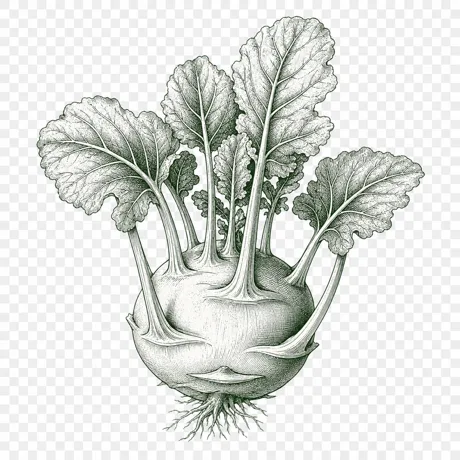
Kohlrabi is a bulbous stem vegetable in the cabbage family with a mild, slightly sweet flavor. In US kitchens, it is often eaten raw in slaws and salads or cooked like turnips or broccoli stems.
Nutritional profile
According to USDA FoodData Central, raw kohlrabi is low in calories and high in water, with small amounts of protein and very little fat. It provides fiber and contains vitamin C in notable amounts, along with potassium and smaller amounts of B vitamins and minerals.
In the kitchen
Kohlrabi can be peeled and sliced for salads, cut into sticks for snacking, or roasted, sauteed, steamed, or added to soups. It works well in slaw with apples, in sheet-pan vegetable mixes, or in a simple mash with butter.
Choosing & preparing
Choose bulbs that feel firm and heavy for their size, with smooth skin and fresh-looking leaves if attached. Avoid oversized bulbs that feel woody, or any with soft spots, cracks, or yellowing greens.
Flavor pairings
Kohlrabi pairs well with apples, lemon, dill, parsley, yogurt, butter, garlic, and mustard. It also matches potatoes, carrots, cabbage, pork, and mild cheeses.
Tips
Peel the outer layer well, especially on larger bulbs, since it can be fibrous. If the greens are attached, cook them like kale instead of discarding them.
General food-composition information based on USDA FoodData Central. This is not medical or dietary advice; for personal guidance, consult a registered dietitian or your doctor. Page updated Sep 18, 2026.