
Growing guide · Vegetable
How to Grow Kohlrabi
Days to maturity55 days
Spacing6 in
SeasonCool-season
Start indoors4 wk pre-frost
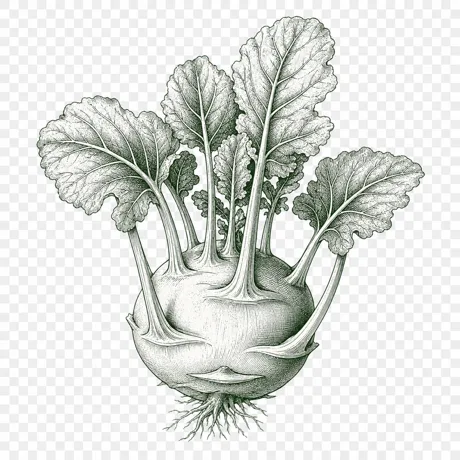
Kohlrabi (Brassica oleracea, Gongylodes group) is a fast-maturing cool-season member of the cabbage family, grown for the crisp, swollen stem that forms just above the soil line. Home gardeners across the US like it because it is quick to harvest, tolerates cool weather, and offers a mild, sweet, turnip-like crunch that is good raw or cooked. Both pale green and purple varieties are widely available, and its short season makes it easy to fit into spring and fall gardens.
When and how to plant
As a cool-season crop, kohlrabi grows best in the mild temperatures of spring and fall, so time plantings to mature before summer heat or after it eases. Direct sow seeds about a quarter to a half inch deep, or set out transplants, starting two to four weeks before your last spring frost and again in late summer for a fall crop. Thin or space plants about 4 to 6 inches apart in rows roughly 12 to 18 inches apart, and give them full sun for best bulb development. Kohlrabi prefers loose, well-drained, fertile soil rich in organic matter with a near-neutral pH, generally in the range of about 6.0 to 7.5.
Care
Because kohlrabi grows fast, steady care keeps the stems tender rather than tough and woody. Provide consistent, even moisture, aiming for about an inch of water per week, since drought and irregular watering can cause the bulbs to become fibrous or crack. Work compost or a balanced general-purpose feeding into the soil before planting and side-dress lightly as plants develop to support quick, uninterrupted growth. A layer of mulch helps hold soil moisture, moderate soil temperature, and suppress weeds, and shallow cultivation keeps competing weeds down without disturbing the roots.
Common problems
Kohlrabi shares the usual cabbage-family pests, including cabbage worms and loopers, flea beetles, aphids, and root maggots, along with diseases such as clubroot, black rot, and downy mildew. Prevent trouble by rotating brassicas to a new spot each year, keeping the garden clean of debris, using floating row covers early to exclude flying pests, and spacing plants for good air circulation. Handpicking caterpillars and encouraging beneficial insects also help keep populations in check without chemicals.
Harvest
Harvest kohlrabi while the bulbs are young and tender, usually about 45 to 60 days after planting, when they reach roughly 2 to 3 inches in diameter, since oversized bulbs turn woody. Cut the stem at the base with a knife, then trim off the leaves and roots. Stored in a perforated bag in the refrigerator, the trimmed bulbs stay crisp for several weeks, and they also hold well in a cold, humid root cellar.
Popular Kohlrabi varieties to grow
Choose kohlrabi by bulb size, skin color, and how long the stems stay tender without turning woody. In home gardens, quick-maturing varieties are usually the easiest and most useful.
| Variety | Type | Days | Notes | Best for |
|---|---|---|---|---|
| Early White Vienna | white-green, heirloom | 50-60 | A classic pale green kohlrabi with mild flavor and quick growth. Bulbs are best harvested young for the most tender texture. | spring crops, fresh eating |
| Early Purple Vienna | purple, heirloom | 55-65 | This purple-skinned counterpart to White Vienna is equally popular with home gardeners. Flesh is pale and crisp, with attractive color in the garden. | colorful harvests, fresh slicing |
| Kolibri | purple, hybrid | 45-55 | Kolibri is a modern hybrid prized for smooth round bulbs and excellent tenderness even at a useful size. It is one of the best all-around garden choices. | premium eating quality, quick harvests |
| Kossak | giant, hybrid | 80-90 | Kossak is bred to grow much larger than standard kohlrabi while staying relatively tender. It is useful when gardeners want fewer but larger bulbs. | large bulbs, fall harvests |
| Winner | green, hybrid | 45-55 | Winner is an early green kohlrabi known for uniform bulbs and steady growth. It is commonly chosen for dependable home-garden production. | succession planting, reliable crops |
| Gigante | large, heirloom | 75-90 | Also called Superschmelz in some catalogs, this old large-growing type can reach impressive size if given time. It is best harvested before texture declines too far. | novelty large bulbs, fall gardens |
Variety notes are general guidance for US home gardens; local performance varies by climate and season. Availability differs by seed supplier.
Growing Kohlrabi in containers
Kohlrabi is an excellent container crop because it stays compact and matures quickly. Use an 8 to 10 inch deep pot with drainage, spacing plants 6 inches apart in rich potting mix. Water evenly to prevent tough, woody bulbs, feed lightly every few weeks, and choose early purple or green varieties.
Watering & feeding Kohlrabi
Give roughly 1 to 1.5 inches of water weekly, depending on heat, rainfall, and soil type. Kohlrabi is moderately thirsty and performs best with consistently moist, well-drained soil. Water deeply at the base in the morning, then mulch to keep the root zone cool and moist. Wilting, slow bulb growth, or tough texture can indicate too little water, while persistently wet soil and yellowing leaves may signal overwatering. Containers dry faster and should be checked often.
Kohlrabi is a moderate feeder that benefits from compost worked into the bed before planting. Nitrogen supports leafy growth, while adequate phosphorus and potassium help overall vigor and stem development. Feed at planting with compost or a balanced vegetable fertilizer, following a soil test when available. Side-dress lightly once plants are established or as bulbs begin to enlarge, but avoid heavy nitrogen applications that favor leaves over the edible stem. Harvest bulbs while they are young and tender, rather than waiting for them to become oversized. Keep moisture even during rapid growth for the best texture.
Saving Kohlrabi seeds
Save seed from open-pollinated or heirloom kohlrabi, not F1 hybrids, which will not come true. Kohlrabi is a biennial, so overwinter healthy plants and collect pods in their second year when they turn tan and brittle. Cut the stalks before pods shatter, dry them under cover, then thresh and screen out the seeds. Thoroughly dried kohlrabi seed generally keeps about four to five years in cool, dry storage.
Kohlrabi companion plants
Plant kohlrabi with onions, garlic, or chives, plus herbs such as dill or cilantro allowed to flower, to add beneficial-insect and pollinator habitat. Lettuce, spinach, and radishes make efficient companions because they mature quickly and can use open space between young kohlrabi plants. Avoid crowding kohlrabi with other brassicas such as cabbage, broccoli, kale, and cauliflower, since they compete heavily and share cabbage worms, flea beetles, clubroot, and other diseases. Keep it away from dense, aggressive plantings that reduce airflow around its swollen stems.
When to plant Kohlrabi near you
Get the exact start-indoors, transplant, and fall planting dates for Kohlrabi at your location.
Frequently asked questions about Kohlrabi
When should I plant kohlrabi?
Kohlrabi grows best in cool weather, so plant it in spring or late summer for fall harvest. Hot weather can make bulbs tough and woody.
How long does kohlrabi take to grow?
Most kohlrabi matures in about 45 to 70 days. Baby bulbs are ready sooner and are usually the most tender.
How much sun does kohlrabi need?
Kohlrabi prefers full sun, around 6 or more hours daily. It also appreciates fertile soil and regular watering.
Why is my kohlrabi woody?
Kohlrabi turns woody when it gets too old, grows too slowly, or faces heat stress. Harvest while the swollen stem is still relatively small and tender.
How do I know when kohlrabi is ready to harvest?
Harvest when the swollen stem is usually about 2 to 3 inches across for best texture, though some large varieties can be picked a bit bigger. Cut at the base and trim the leaves.
General guidance for US home gardens. Reference figures are typical values; your exact timing depends on your local frost dates and variety. Page updated Sep 18, 2026.