
Cauliflower Nutrition & Uses
Cauliflower is a compact brassica with a mild flavor that adapts to many cooking styles. In US kitchens it is roasted, steamed, pureed, stir-fried, pickled, or used in soups and casseroles.
Nutritional profile
According to USDA FoodData Central, cauliflower is low in calories, high in water, and provides fiber with small amounts of carbohydrate and protein. It contains vitamin C, vitamin K, folate, choline, and potassium.
In the kitchen
Cauliflower can be roasted in florets, steamed and mashed, blended into soups, or cut into steaks for grilling. It is also used in gratins, curries, stir-fries, grain bowls, and crunchy raw platters.
Choosing & preparing
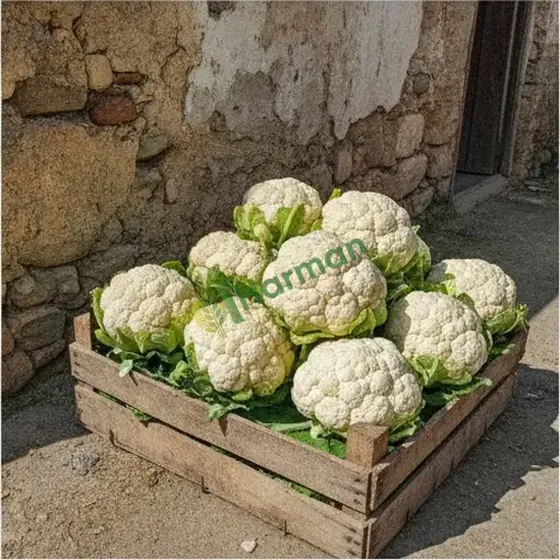
Choose heads that feel heavy and tight, with compact florets and fresh-looking leaves. Avoid heads with spreading florets, dark spots, soft patches, or strong discoloration.
Flavor pairings
Cauliflower pairs well with garlic, lemon, parsley, curry spices, cumin, turmeric, paprika, capers, cheese sauces, tahini, butter, and breadcrumbs. It also goes well with chickpeas and roasted chicken.
Tips
Cut florets into similar sizes for even cooking. The core and leaves are edible and can be roasted or added to stock instead of discarded.
General food-composition information based on USDA FoodData Central. This is not medical or dietary advice; for personal guidance, consult a registered dietitian or your doctor. Page updated Sep 18, 2026.